You wake up tired. You hit a 2pm crash. Workouts feel heavier, and your drive feels muted. If you’re searching for why men over 40 lose energy, here’s the truth: it’s usually not “age,” it’s stacked inputs. You’ll get the real reasons plus 5 fixes you can start this week.
Key Takeaways
- Low energy is usually sleep quality + muscle loss + blood sugar swings + stress/inflammation + hormones, not “getting old.”
- You need fewer hero workouts and more repeatable structure: strength 3x/week + daily movement.
- The fastest energy ROI starts with consistent wake time, morning light, protein at each meal, and a simple sleep cutoff plan.
- If fatigue persists, get evaluated. Rule out sleep apnea, anemia, thyroid issues, and clinically low testosterone with proper labs.
What You’ll Learn
- How aging changes sleep depth, recovery speed, and metabolic flexibility in men 40+.
- The highest-ROI habits for energy: light, steps, protein, strength, sleep timing.
- How to separate lifestyle fatigue from medical red flags you should not ignore.
- Which labs to discuss with your clinician and what each one can reveal.
- A simple 7-day reset structure you can repeat (and plug into the Revivo40 system).
Feel Strong, Focused, and Energized Again
Start your journey with simple, science‑backed steps designed specifically for men over 40. No fluff. No gimmicks. Just results.
No pressure. Just clear, practical guidance to help you move forward.
The Real Reasons Men Over 40 Lose Energy (Not Just “Getting Older”)
Energy is not one thing. It’s a system.
Sleep drives recovery. Muscle drives glucose control and daily output. Blood sugar drives stable focus. Stress drives inflammation and cravings. Hormones modulate all of it. The good news: most of this is fixable when you pull the right levers in the right order.
Sleep quality drops (and apnea is underdiagnosed)
Your sleep tends to get lighter with age. Add late screens, late meals, alcohol, and stress, and you wake up “technically” rested but functionally drained.
The bigger issue is obstructive sleep apnea, which is common in middle-aged men and strongly linked to daytime sleepiness and low energy. Watch for loud snoring, waking up choking, morning headaches, dry mouth, or falling asleep easily during the day.
Action this week: a 2-week sleep audit
- Set a fixed wake time (even weekends).
- Cut caffeine 8 hours before bed.
- Stop screens 60 minutes before bed.
- Track: bedtime, wake time, alcohol, late meals, and how you feel at 10am and 2pm.
- If apnea signs are present, talk to a clinician about screening.
You lose muscle and power unless you train for it
After 40, muscle and strength decline accelerates if you do not train for it. Less muscle means worse glucose handling, less joint stability, and a smaller “engine” to run your day.
You feel it fast. Carrying groceries feels harder. You need more days between workouts. Small tweaks turn into nagging injuries.
Action this week: stop “random,” start progressive
- Train full-body strength with a repeatable plan.
- Progress slowly (more reps, small weight increases, better form).
- Prioritize recovery like it is training, because it is.
Blood sugar swings and insulin resistance creep in
Refined carbs with low protein and low fiber create the classic energy rollercoaster. You spike. You crash. You chase the crash with caffeine or sugar. Then you sleep worse, and the cycle tightens.
Visceral fat increases with age in many men, which raises the risk of insulin resistance and unstable energy even if you are not “that overweight.”
Action this week: build meals that don’t betray you
- Anchor meals with protein and fiber first.
- Use carbs strategically, not impulsively.
- Walk 10 minutes after meals to blunt the spike.
The 5 Fixes That Actually Work (Revivo40 Energy Playbook)
You do not need a complicated biohack stack. You need a system.
Fix inputs (sleep, light, nutrition). Build capacity (strength). Reduce drains (stress and inflammation). Then assess hormones and medical causes if symptoms persist. That is the Revivo40 way: clarity, strength, consistency.
Fix #1: Rebuild sleep pressure (and protect your mornings)
Sleep pressure is your built-in drive to sleep deeply. You rebuild it by syncing light, timing, and stimulation.
Non-negotiables
- Consistent wake time (the anchor habit).
- Morning outdoor light for 5 to 10 minutes within an hour of waking.
- Caffeine cutoff: 8 hours before bed.
- Cool, dark room (aim: cold enough that you want a blanket).
Evening rules that actually move the needle
- Finish your last big meal 2 to 3 hours before bed.
- Avoid hard training late at night if it spikes you.
- Reduce alcohol. It fragments sleep even when you fall asleep fast.
Quick sleep scorecard (track nightly)
- Asleep within 20–30 minutes?
- Woke up 0–1 times?
- Woke up before alarm feeling “okay”?
- No afternoon crash?
Hit 3 out of 4 most nights, and your energy will climb.
Fix #2: Train strength 3x/week (progressive, joint-friendly)
Strength training is an energy multiplier for men over 40. It improves insulin sensitivity, preserves lean mass, reinforces confidence, and makes daily life feel lighter.
You do not need to train like you are 25. You need to train like you plan to be strong at 55.
Simple 3-day full-body template (45–60 minutes)
- Squat pattern: goblet squat or safety bar squat
- Hinge pattern: Romanian deadlift or trap bar deadlift
- Push: dumbbell bench or push-ups
- Pull: row or assisted pull-up
- Carry: farmer carry
- Core: dead bug or Pallof press
Progression rule
- Add 1–2 reps per set until you hit the top of your range, then add a small load.
Grease-the-joints mobility (5–10 minutes daily)
- Hips: 90/90 switches
- T-spine: open books
- Ankles: calf rocks
- Shoulders: band pull-aparts
Consistency beats intensity. Every time.
Fix #3: Eat for stable energy (protein-first, fiber, micronutrients)
Most men don’t need more motivation. They need fewer crashes.
Protein stabilizes appetite and supports muscle repair. Fiber and color reduce inflammation and support gut health. Hydration keeps performance online.
Protein anchor
- Aim roughly 25–40g protein per meal (adjust for body size and goals).
- Try to hit protein at breakfast. This is where most men miss.
Fiber + color
- Add vegetables, berries, beans, and whole foods daily.
- If you train or sweat, consider electrolytes from food and smart hydration, not sugary drinks.
Simple swaps that work
- Breakfast: eggs or Greek yogurt plus berries.
- Lunch: lean protein plus a big salad and olive oil.
- Snack: protein plus fruit (not a pastry plus coffee).
- Cut liquid calories. They are silent energy killers.
Fix the Hidden Drains: Stress, Inflammation, and Hormones
If sleep, training, and nutrition are mostly handled but your energy still feels flat, stop guessing.
This is where many men spiral into random supplements or testosterone talk. Sometimes hormones matter. Often the bigger issue is recovery load and chronic stress physiology. Get objective. Stay grounded. Test, don’t guess.
Fix #4: Lower your all-day stress load (without becoming “soft”)
You are not trying to become calmer. You are trying to become harder to break.
Chronic stress disrupts your cortisol rhythm, worsens sleep, increases cravings, and slows training recovery. This disruption in your body’s natural cortisol balance can make you feel exhausted even if you eat perfectly and follow a strict regimen.
Practical tools that fit a busy life
- 10 minutes daily: nasal breathing walk outside.
- 10 minutes daily: easy zone-2 (bike, incline walk) if that relaxes you.
- Hard boundary: stop work and news late at night. Protect the last hour.
Track what matters (weekly)
- Resting heart rate
- Sleep quality
- Mood and irritability
- Morning energy
- Training performance
If your metrics worsen, reduce training volume for a week. Recovery is a skill.
Fix #5: Address hormones and medical causes (labs + clinician)
Some fatigue is not a mindset problem. It is a health problem.
Red flags that deserve evaluation
- Persistent fatigue despite solid habits
- Low libido or erectile dysfunction
- Depression or emotional flatness
- Unexplained weight gain
- Strong sleep apnea signs (snoring, gasping, morning headaches)
Labs to discuss with your clinician (common starting set)
- Total testosterone + free testosterone (or calculated) + SHBG
- CBC (anemia, infection patterns)
- CMP (kidney/liver, electrolytes)
- TSH + free T4 (thyroid)
- A1C + fasting glucose (blood sugar control)
- Lipids (cardiometabolic risk)
- Vitamin D, B12 (context-dependent)
- Ferritin/iron studies (as appropriate)
Optimize lifestyle first. If labs show clinically significant issues, work with a qualified clinician. Avoid DIY hormone “hacks.” That road gets expensive fast.
Quick decision tree: lifestyle fix vs medical workup
- Snore + wake unrefreshed: screen for sleep apnea first.
- Chaotic diet + sedentary: start protein, steps, and strength for 2–4 weeks.
- Consistent habits but still low energy: get labs, assess recovery load, and involve a clinician.
Expert Notes / Evidence Callouts
- Strength training and aging: Major guidelines and reviews (including ACSM-aligned recommendations) consistently support resistance training to preserve muscle, improve function, and enhance metabolic health with age. Practical translation: 2–3+ days per week beats sporadic “all-out” phases.
- Sleep apnea and fatigue: The American Academy of Sleep Medicine (AASM) and large clinical reviews link obstructive sleep apnea to excessive daytime sleepiness and higher cardiometabolic risk. Translation: if you snore and wake unrefreshed, treat this like a real performance problem.
- Post-meal walking and glucose: Controlled studies and systematic reviews show that light walking after meals improves postprandial glucose control. Translation: a 10-minute walk is one of the simplest energy stabilizers you can deploy today.
Feel Strong, Focused, and Energized Again
Start your journey with simple, science‑backed steps designed specifically for men over 40. No fluff. No gimmicks. Just results.
No pressure. Just clear, practical guidance to help you move forward.
Bottom Line Summary
The real reason men over 40 lose energy is usually a stacked set of fixable inputs: sleep quality, muscle loss, blood sugar swings, stress and inflammation, plus occasional hormone or medical issues. Rebuild sleep pressure, train strength 3x/week, eat protein-first for stable energy, downshift daily stress, and get labs when symptoms persist. Pick two habits today, run them for 14 days, and reassess with data. If you want structure and accountability, plug into the Revivo40 ecosystem and execute.
FAQs (Frequently Asked Questions)
Why do men over 40 often experience low energy levels?
Low energy in men over 40 is usually due to a combination of factors including poor sleep quality, muscle loss, blood sugar swings, stress and inflammation, and hormonal changes—not simply aging itself.
How does sleep quality affect energy in men over 40?
Sleep quality tends to decline with age, leading to lighter sleep and reduced recovery. Issues like obstructive sleep apnea are common and can cause daytime sleepiness and low energy. Improving sleep hygiene and addressing sleep disorders can significantly boost energy.
What role does muscle loss play in decreased energy for men over 40?
Muscle loss reduces strength and glucose control, making daily activities harder and increasing fatigue. Strength training three times a week with progressive overload helps rebuild muscle, improving energy and metabolic health.
How can diet impact energy stability in men over 40?
Refined carbs without sufficient protein and fiber cause blood sugar spikes and crashes, leading to unstable energy. Anchoring meals with protein and fiber, using carbs strategically, and walking after meals help maintain steady energy levels.
What are the key lifestyle habits to improve energy for men over 40?
Consistent wake times, morning exposure to natural light, consuming protein at each meal, structured strength training, daily movement, caffeine cutoff 8 hours before bed, and a cool dark sleeping environment are high-ROI habits for boosting energy.
When should men over 40 seek medical evaluation for persistent fatigue?
If fatigue persists despite lifestyle improvements, it’s important to get evaluated for conditions like sleep apnea, anemia, thyroid issues, or clinically low testosterone through proper lab tests to rule out medical causes of low energy.
About Terry
Founder of Revivo40
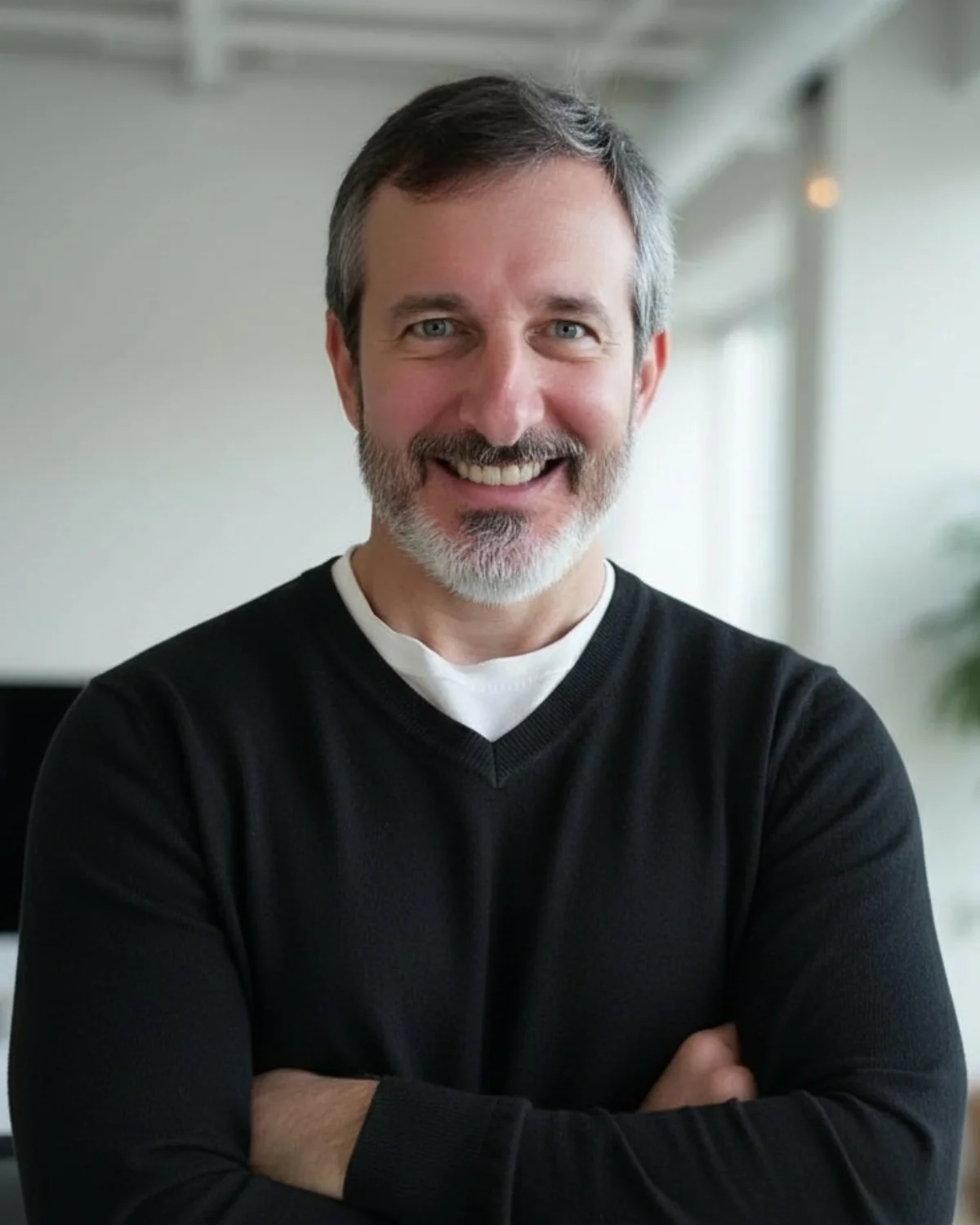
Terry is the founder of Revivo40, a performance brand built for men who want their strength, energy, and confidence back. After hitting his own wall in his 40s, he spent years rebuilding his health through strength training, hormone literacy, and simple, sustainable routines.
Today, he blends real‑world experience with evidence‑informed guidance to help men cut through the noise, take back control of their bodies, and step into their second peak with clarity and confidence. His mission is simple: help men over 40 reclaim their edge and build a stronger, sharper, more energized second half of life.
If you’re ready to rebuild your strength and energy, join the Revivo40 Newsletter for weekly, no‑BS guidance built for men over 40.