You’re still training. You’re still “eating clean.” But you look softer than you did a few years ago.
The bar speed is slower. Recovery takes longer. The belt is tighter. And the scale either won’t move, or it moves the wrong direction.
This is where a high protein blueprint for men over 40 makes a real difference. Not as a gimmick. As a lever. In this guide you’ll get your protein target in grams, how to structure meals, timing that matters, how to keep strength while you cut, and a simple 7-day reset you can start today.
Why This Matters for Men Over 40
After 40, you’re not broken. But the rules tighten.
Aging physiology: you need a stronger signal
Most men start losing muscle gradually with age, especially if training and protein are inconsistent. There’s also anabolic resistance, which means your muscle needs a bigger stimulus to grow or even maintain. The practical takeaway is simple: you need enough hard training and enough protein, consistently.
Source: Phillips SM, et al. Appl Physiol Nutr Metab (2016). https://doi.org/10.1139/apnm-2015-0540
Hormones: protein is not a “fix,” but it protects lean mass
Testosterone and growth hormone tend to trend down with age. Sleep and stress push them further in the wrong direction. Protein will not “optimize hormones” by itself, but during a calorie deficit it helps you keep lean mass, which is what keeps you strong and metabolically expensive.
Source: Morton RW, et al. Br J Sports Med (2018). https://doi.org/10.1136/bjsports-2017-097608
Lifestyle demands: fewer decisions wins
Work, kids, travel, and late meetings make meals inconsistent. A protein-first structure reduces hunger and decision fatigue. When you know your protein number, you stop negotiating with yourself all day.
Energy and performance: protein helps you diet without feeling wrecked
Higher protein intakes improve satiety and help preserve fat-free mass during weight loss, which supports resting energy expenditure. In plain English: you stay fuller and you’re less likely to “shrink” while trying to lean out.
Source: Leidy HJ, et al. Am J Clin Nutr (2015). https://doi.org/10.3945/ajcn.114.084038
Feel Strong, Focused, and Energized Again
Start your journey with simple, science‑backed steps designed specifically for men over 40. No fluff. No gimmicks. Just results.
No pressure. Just clear, practical guidance to help you move forward.
Step 1: Set your daily protein target (the Revivo40 baseline)
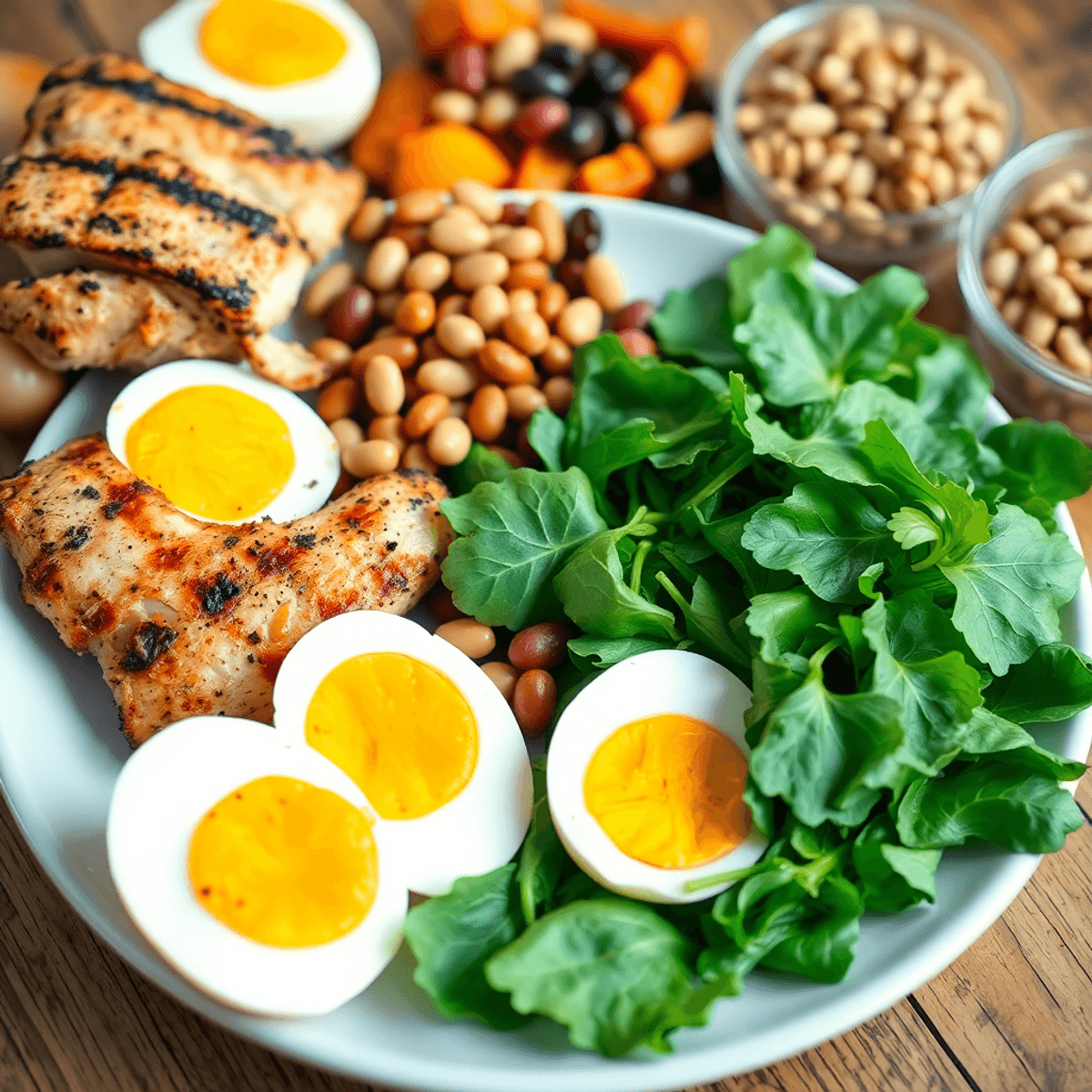
Here’s the range that holds up in the research and in the real world.
- 1.6 to 2.2 g/kg/day
- Or 0.7 to 1.0 g/lb/day
Where you land depends on:
- How lean you already are (leaner men need more to keep muscle in a cut)
- How hard you train
- How aggressive your calorie deficit is
Examples
- 180 lb (82 kg) man: 130 to 180 g/day
- 220 lb (100 kg) man: 160 to 220 g/day
Revivo40 floor (don’t go below this on a cut):
- 0.7 g/lb/day if strength is a priority.
Consistency beats perfection. Hit the floor 6 days per week and you’re in the game.
Protein math you can do in 30 seconds (no tracking app required)
Use “protein anchors.”
Option A (4 meals/day)
- 4 meals × 35 to 45 g = 140 to 180 g/day
Option B (3 meals/day)
- 3 meals × 45 to 60 g = 135 to 180 g/day
Hand-portion shortcut
- 1 palm of lean meat or fish = ~25 to 30 g protein
- Most men cutting while lifting need 5 to 7 palms/day, spread across meals.
Step 2: Distribute protein to beat anabolic resistance

If you eat 20 g at breakfast, 15 g at lunch, then 100 g at dinner, you’re making it harder than it needs to be.
Older muscle tends to respond better to a bigger per-meal protein dose. A useful concept here is the leucine threshold, which is basically a “trigger” signal for muscle protein synthesis. You do not need to obsess over leucine grams, but you do want solid protein doses per meal.
Source: Moore DR, et al. Am J Clin Nutr (2012). https://doi.org/10.3945/ajcn.111.023598
Practical distribution
- 3 to 4 feedings/day
- Each feeding: 0.4 to 0.55 g/kg
- For most men that’s 30 to 55 g per meal.
Common fix for men over 40: stop under-eating protein at breakfast. That one change often improves hunger control all day.
Timing that actually matters (and what doesn’t)
You don’t need to chase an “anabolic window.”
- Pre or post workout: one protein-containing meal within ~2 hours before or after training is enough for most men.
- Before bed (optional but useful in a cut): 30 to 45 g of slow-digesting protein can support overnight muscle protein synthesis.
- Good options: Greek yogurt, cottage cheese, casein.
- Source: Snijders T, et al. J Nutr (2015). https://doi.org/10.3945/jn.114.208371
Pick the timing that improves adherence and recovery. That’s the version that works.
Step 3: Build your meals (the Protein-First Plate)
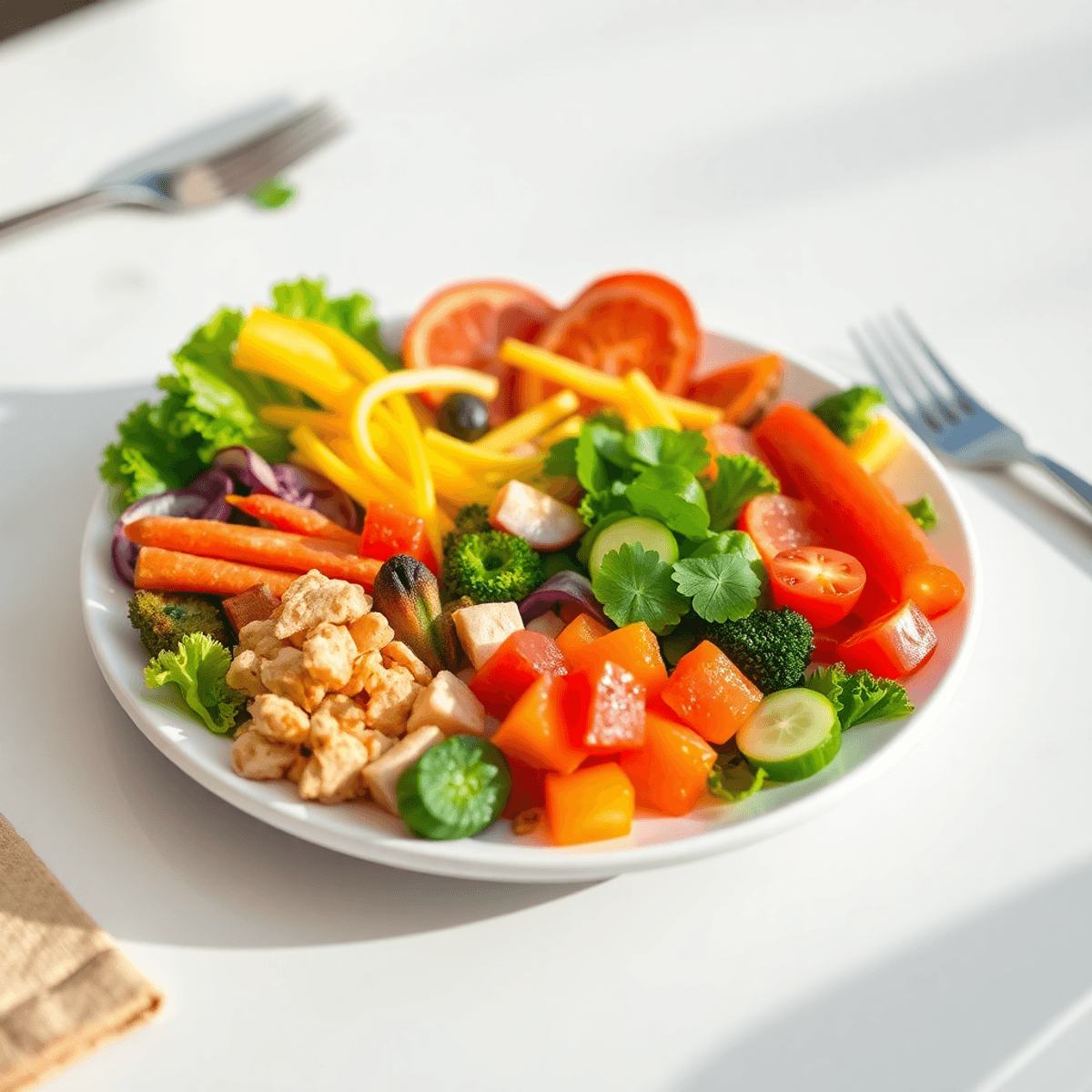
Here’s the Revivo40 order of operations. Simple. Repeatable. Hard to screw up.
The Protein-First Plate
- Protein (anchor the meal)
- High-fiber plants (volume, micronutrients, gut health, hunger control) – Learn more about the benefits of high-fiber foods here
- Smart carbs around training (performance, recovery)
- Fats for satiety (and to keep meals enjoyable)
Plug-and-play meal templates
Template 1: High-protein breakfast (fast)
- 3 whole eggs + 200 g egg whites
- Fruit or sautéed veggies
- Optional: oats if training soon
Template 2: Lunch bowl (workday staple)
- Rotisserie chicken (2 palms)
- Bagged salad or microwave veggies
- Rice or potatoes if you trained or will train later
- Olive oil or avocado if you need more calories
Template 3: Dinner plate (strength-friendly cut)
- Lean beef, turkey, or fish (2 palms)
- Big serving of vegetables
- Carbs based on training (more on lift days, less on rest days)
Template 4: Plant-forward (still hits the target)
- Lentils/beans + tofu/tempeh
- Add a leucine-rich booster if needed: whey, eggs, or lean meat
- Plant proteins can work well, but many men need a larger portion or a mixed source to hit a solid per-meal dose.
Best protein sources for men 40+ (quality + convenience)
Lean animal
- Chicken breast, turkey
- Lean beef
- Eggs and egg whites
- Fish: salmon, tuna, sardines
Dairy (easy mode for per-meal protein)
- Greek yogurt
- Cottage cheese
- Whey or casein protein
Plant-forward
- Tofu, tempeh
- Lentils, beans (often best combined with another protein source)
Busy-day convenience list
- Rotisserie chicken
- Canned tuna or salmon
- Frozen shrimp
- Pre-cooked lentils
- Jerky (watch sodium)
- Ready-to-drink shakes
Choose minimally processed most of the time. Processed is a tool, not a lifestyle.
Step 4: Create the deficit without losing your strength
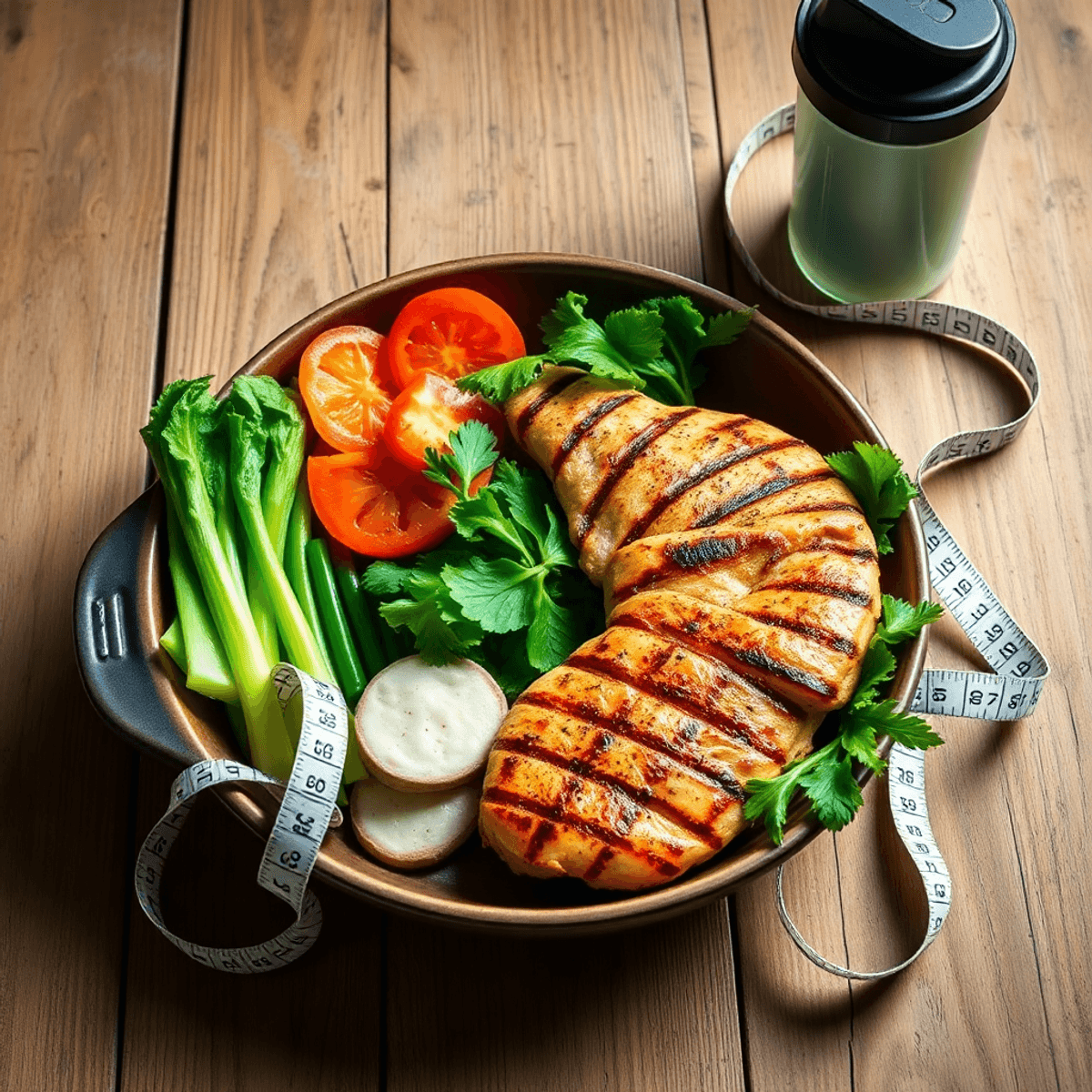
Protein helps, but it does not create fat loss by magic.
You lean out because you’re in a calorie deficit. Protein helps you keep muscle and stay fuller while you do it.
Simple deficit approach
- Start with minus 300 to 500 kcal/day
- Aim for 0.5 to 1.0% bodyweight loss/week
- Keep lifting performance as steady as you can
If your strength is falling fast, you’re usually doing one of these:
- Deficit is too aggressive
- Sleep is poor
- Protein is too low
- Steps dropped
- Weekends are wiping out the weekly deficit
The 3 leanness killers after 40 (and the fix)
1) Low NEAT (daily movement drops)
To combat this, aim for 7,000 to 10,000 steps/day and add two scheduled 10-minute walks after meals which can significantly help with appetite control1.
2) Sleep debt Poor sleep raises hunger and reduces training output.
To improve this, set a hard 7 to 8 hour window for sleep, and limit alcohol on weekdays as it ruins sleep quality even when you “sleep in”.
3) Liquid calories and “healthy snacks” Smoothies, lattes, handfuls of nuts, constant grazing.
For healthier snacking habits, ensure snacks are protein-based, such as Greek yogurt, jerky, or a shake.
No supplements will outwork bad sleep and low movement.
Step 5: Training + protein is the combo that reshapes your body

Lifting is the signal. Protein is the building material.
Over 40, the men who stay lean and strong do not train perfectly. They train consistently.
Minimum effective training
- 3 days/week full-body
- or
- 4 days/week upper/lower (consider a 4-day workout split for optimal results)
Priorities:
- Good form
- Progressive overload (add reps, load, or sets over time)
- Enough intensity to challenge you without wrecking joints
Add conditioning, but keep it honest.
Cardio (support, not punishment)
- 2 low-intensity sessions/week
- 20 to 30 minutes
- Helps recovery, steps, and the deficit
Recovery habits
- 10 minutes/day mobility or easy movement
- Deload every 4 to 6 weeks if joints ache or performance stalls
This lines up with the Revivo40 pillars: Strength, Energy, Hormones, Weight/Metabolism, Longevity.
Practical Guidance: The 7-day High-Protein Reset (do this today)
This is built for men who fail with complex meal plans, but win with fewer decisions.
Day 0 setup checklist (30 minutes)
Buy 4 to 6 protein staples:
- Chicken, lean beef, eggs
- Greek yogurt, cottage cheese
- Whey or ready-to-drink shakes
- Tuna, salmon, or frozen shrimp
Then:
- Choose 2 breakfasts
- Prep 2 lunches
- Pick 2 dinners
- Stock frozen veg + salad kits + a simple carb (rice, potatoes, oats)
Daily rules (simple)
- Hit your protein floor
- Vegetables at two meals
- Carbs around training
- Hydrate, and salt food to taste (training performance matters)
If you want it even simpler: the “2-meal + shake” protocol
Structure:
- Shake: 40 to 50 g
- Lunch: 50 to 60 g
- Dinner: 60 to 70 g
Guardrails:
- Veggies at both meals
- Carbs only around training (or keep portions modest on rest days)
- Don’t “make up” for missed meals with weekend chaos
Real-World Results: What changes in 14 to 30 days (if you stay consistent)
If you run a modest deficit and hit protein daily, here’s what usually happens.
Days 1 to 10
- Hunger stabilizes
- Cravings drop
- Energy becomes more even
- Training often holds steady
Weeks 2 to 4
- Waist starts trending down
- Pumps and workouts feel more consistent
- Less late-night snacking
- Recovery improves, especially if sleep is handled
Track these markers weekly (not daily emotions)
- Waist measurement (same time, same conditions)
- Bodyweight trend (use a 7-day average)
- Gym performance (reps and load)
- Afternoon energy
- Sleep quality
Common pitfalls (and quick fixes)
- Crash dieting: raise calories slightly, keep protein high
- Protein bars as the plan: swap in real meals and dairy proteins
- Skipping vegetables: add frozen veg or salad kits, no excuses
- Weekend blowouts: set a protein target and a drink limit before you go out
If you want structure and accountability, start with a Revivo40 entry resource that matches your weak link:
- Strength Starter Blueprint
- Hormone Optimization Checklist
- Mobility & Recovery Routine
- 12-Week Program (for coaching and follow-through)
Myth-busting: 3 things men get wrong about protein
- “High protein will hurt my kidneys.”
- In healthy individuals, higher protein diets have not been shown to harm kidney function. If you have kidney disease or reduced kidney function, you need medical guidance.
- Source: Devries MC, Phillips SM. J Sport Health Sci (2015). https://doi.org/10.1016/j.jshs.2014.11.002
- “I need a shake the second I finish lifting.”
- No. A protein meal within a couple hours pre or post is fine for most men.
- “If I eat enough protein, fat loss just happens.”
- Protein is protective and appetite-friendly. The deficit still matters.
Safety and contraindications
If you have kidney disease, a history of impaired kidney function, or you’re under medical management for hypertension or other conditions, talk to your clinician before making large protein changes.
If you’re cutting hard and cramping, don’t ignore electrolytes. Hydration and sodium matter, especially if you sweat a lot.
If higher protein causes GI discomfort, try these adjustments
- Spread protein doses across meals rather than concentrating them
- Increase your water intake
- Add fiber gradually
- Switch to lactose-free dairy if needed
Feel Strong, Focused, and Energized Again
Start your journey with simple, science‑backed steps designed specifically for men over 40. No fluff. No gimmicks. Just results.
No pressure. Just clear, practical guidance to help you move forward.
Key Takeaways (Revivo40 Bottom Line)
- Set protein at 0.7 to 1.0 g/lb/day (don’t drop below 0.7 on a cut).
- Split it into 3 to 4 solid feedings (roughly 30 to 55 g each).
- Run a modest deficit: minus 300 to 500 kcal/day, keep lifting heavy enough to maintain strength.
- Protect the basics: steps, sleep, and fewer food decisions.
Closing: The blueprint in one sentence (and next step)
Hit a realistic protein target, spread it across the day, keep lifting, and run a modest deficit. Repeat for 8 to 12 weeks.
Next step: choose your protein number right now, then plan tomorrow’s first two meals. Ten minutes. Done.
FAQ’s (Frequently Asked Questions)
How much protein do I need to lean out after 40?
Most men do well with 0.7 to 1.0 g per pound of bodyweight per day, especially if lifting while cutting.
Is 200 grams of protein too much?
For a larger, leaner, hard-training man, 200 g/day can be appropriate. If you’re smaller or not training much, it may be unnecessary. Use the 0.7 to 1.0 g/lb range and adjust based on results and digestion.
Can I do this without counting calories?
Yes, many men can lean out using:
- a fixed protein target
- consistent meal templates
- a steps baseline
- But if weight and waist are not trending down after 2 to 3 weeks, you still need to tighten calories.
What’s the best protein powder for men over 40?
Whey is the most practical for most men. Casein is useful before bed. If dairy bothers you, look for a high-quality plant blend and consider slightly higher grams per serving to hit a solid per-meal dose.
How many meals per day is best?
Whatever you can execute. Most men over 40 do best with 3 to 4 protein feedings, but the 2-meal + shake setup works well for busy schedules.
Why is a high protein blueprint important for men over 40?
After 40, muscle loss and anabolic resistance increase, meaning your muscles need a stronger stimulus to grow or maintain. A high protein intake combined with consistent hard training helps preserve lean mass, supports recovery, and counters age-related muscle decline.
How much protein should men over 40 consume daily?
Men over 40 should aim for 1.6 to 2.2 grams of protein per kilogram of body weight per day (or 0.7 to 1.0 grams per pound). For example, a 180 lb man should consume between 130 to 180 grams daily, depending on training intensity and body composition goals.
How should protein intake be distributed throughout the day?
Protein should be spread evenly across 3 to 4 meals per day, with each meal containing about 0.4 to 0.55 g/kg (30 to 55 grams) of protein. This distribution helps overcome anabolic resistance by triggering muscle protein synthesis effectively at every meal.
Does timing of protein intake around workouts really matter?
You don’t need to obsess over a narrow ‘anabolic window.’ Consuming at least one protein-containing meal before or after workouts is sufficient to support muscle maintenance and recovery for men over 40.
How does higher protein intake help during weight loss for men over 40?
Higher protein intakes improve satiety, helping you feel fuller longer, and preserve fat-free mass during calorie deficits. This supports resting energy expenditure, making it easier to lean out without losing strength or muscle mass.
What practical tips can help busy men over 40 meet their protein targets consistently?
Using ‘protein anchors’ like palm-sized portions of lean meat (~25-30g protein) across meals simplifies tracking without apps. Prioritizing a protein-first meal structure reduces hunger and decision fatigue amid busy lifestyles involving work, family, and travel.
About Terry
Founder of Revivo40

Terry is the founder of Revivo40, a performance brand built for men who want their strength, energy, and confidence back. After hitting his own wall in his 40s, he spent years rebuilding his health through strength training, hormone literacy, and simple, sustainable routines.
Today, he blends real‑world experience with evidence‑informed guidance to help men cut through the noise, take back control of their bodies, and step into their second peak with clarity and confidence. His mission is simple: help men over 40 reclaim their edge and build a stronger, sharper, more energized second half of life.
If you’re ready to rebuild your strength and energy, join the Revivo40 Newsletter for weekly, no‑BS guidance built for men over 40.