You stop doing the late-night pizza. You cut back on booze. You start cooking at home like a functional adult. You even do the thing everyone says is “healthy” and you go… high protein, low fat, lots of veggies.
And then your sleep gets weird.
You fall asleep fine, but you’re up at 2:17 a.m. staring at the ceiling. Or you wake up drenched, heart thumping like you had a nightmare, except you didn’t. Or you just wake up… alert. For no reason.
Here’s the annoying part.
A lot of men over 40 are getting wrecked by a dinner that looks perfect on paper.
Not junk. Not sugar. Not fast food.
A “clean” dinner.
And the pattern is so common that once you see it, you can’t unsee it.
The dinner that looks healthy… but punches your sleep in the throat
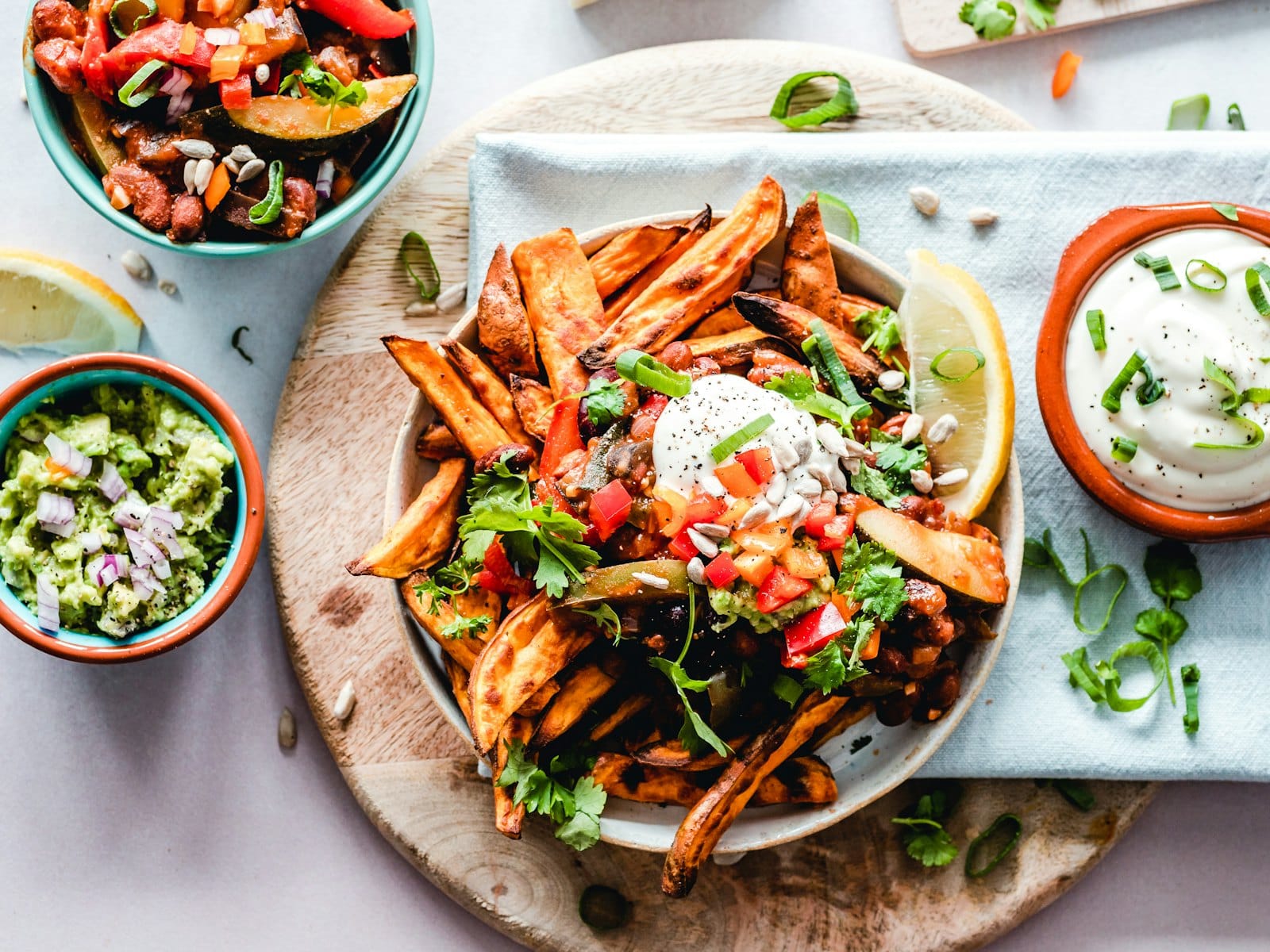
It usually looks like this:
- big serving of lean protein (chicken breast, turkey, tuna, egg whites)
- huge salad or a mountain of cruciferous veggies (broccoli, cauliflower, Brussels sprouts)
- maybe some avocado or olive oil
- little to no carbs
- and you eat it late, because life
The “cutting” meal. The “I’m being disciplined” meal. The “I’m trying to drop this belly” meal.
For a lot of men after 40, this exact dinner does two things:
- It makes your body work too hard at the wrong time.
- It quietly sets you up for a cortisol and blood sugar mess at 2 to 4 a.m.
And you wake up feeling like you got less sleep than you did.
This phenomenon is not just about diet but also about understanding how our bodies function as we age. It’s essential to find a balance in our lifestyle choices for better health outcomes and longevity. This involves more than just dietary changes; it’s about adopting a holistic approach towards health which includes proper sleep patterns and stress management as well. For more insights on achieving optimal health after 40, check out Revivo40’s blog.
Ready to Start Rebuilding Your Strength and Energy?
Take the first step toward feeling stronger, sharper, and more in control without the overwhelm or guesswork.
Why this hits harder after 40 (it’s not just you “getting older”)
After 40, a few shifts make you more sensitive at night:
- You’re less insulin sensitive than you were at 25. Most men are.
- Stress load is higher, so baseline cortisol tends to be higher.
- Recovery is slower, and sleep is now your main performance lever.
- Gut tolerance changes, especially to huge fiber loads late in the day.
- Testosterone and growth hormone rhythms are more dependent on deep sleep than ever.
So a dinner that might have been fine at 30 can backfire at 45.
This is one reason Revivo40 leans so hard on the boring stuff that works. Sleep, recovery, consistent routines, and meals that support hormones instead of fighting them.
The real culprit: “clean dinner” + low carbs + late timing
Let’s break down what’s actually happening, without the wellness fluff.
1) You go too low carb at dinner, then blood sugar drops at night
Carbs aren’t just “energy.”
At night, a reasonable amount of carbs can help:
- stabilize blood glucose through the night
- support serotonin and melatonin production indirectly (via tryptophan transport)
- reduce stress hormone spikes
When dinner is protein + vegetables and basically no carbs, you might fall asleep fine. But a few hours later your liver glycogen is lower than you think, especially if:
- you trained that day
- you ate light all day
- you’re dieting
- you had caffeine later than you admit
- you’re stressed
Then blood sugar dips.
Your body does not politely let you sleep through that.
It releases counter regulatory hormones to bring glucose back up. Mainly cortisol and adrenaline.
That is the 2 a.m. wake-up.
Not because you’re broken. Because your body is trying to keep you alive.
This response can be traced back to changes in our body’s physiological processes as we age. For instance, the link between cortisol levels and blood sugar regulation is crucial in understanding this phenomenon.
2) Lean protein late can be more stimulating than you expect
Protein is great. You need it. Especially after 40.
But a huge serving of very lean protein at night, with minimal carbs, can feel “light” in your stomach while still being metabolically demanding.
Digestion requires work. Thermic effect is real.
Some men also notice a subtle “wired” feeling with a big hit of protein late, especially when the day has been stressful.
This is not an argument against protein.
It’s an argument against turning dinner into a bodybuilding cutting meal at 9 p.m. and expecting deep, calm sleep.
3) The mega salad or cruciferous mountain can backfire
Another sneaky one.
Raw vegetables and massive fiber loads at dinner can cause:
- bloating
- gas
- gut discomfort
- reflux when you lie down
- micro awakenings you don’t fully remember
And cruciferous vegetables are healthy, sure. But they’re also high volume, high fiber, and for some guys they are rough in the evening.
If your sleep tracker shows a lot of wake time, restless sleep, or elevated heart rate, your gut might be throwing punches all night.
4) Eating it late compresses digestion into your sleep window
Even a “perfect” meal can hurt sleep if you eat it too close to bed.
Because you’re asking your body to do two big tasks at once:
- digest a large meal
- drop core body temperature and shift into deep sleep
It’s like trying to do heavy squats during a meditation session.
How to tell if this is you (quick checklist)
If you do most of these, you’re a strong candidate:
- You eat a “clean” dinner that is mostly protein + veggies.
- You keep carbs low at night to “burn fat.”
- You wake up between 1 a.m. and 4 a.m.
- You often feel hot, alert, or mildly anxious when you wake.
- You sometimes crave carbs or feel hungry at night.
- Your sleep is worse on days you train hard or undereat.
One more: you wake up and your brain immediately starts problem solving. Work, money, kids, nonsense.
That can be cortisol too. It’s not always “just stress.” Sometimes it’s stress layered on top of unstable overnight fueling.
The fix isn’t “eat junk.” It’s smarter dinner structure
Let’s get practical. This is Revivo40 territory. Clarity, strength, consistency.
You have a few options. You don’t need to do all of them. Pick one, test for 7 nights, then adjust.
Fix #1: Add a small carb portion at dinner (yes, even if you’re cutting)
Not a binge. Not dessert.
A normal serving.
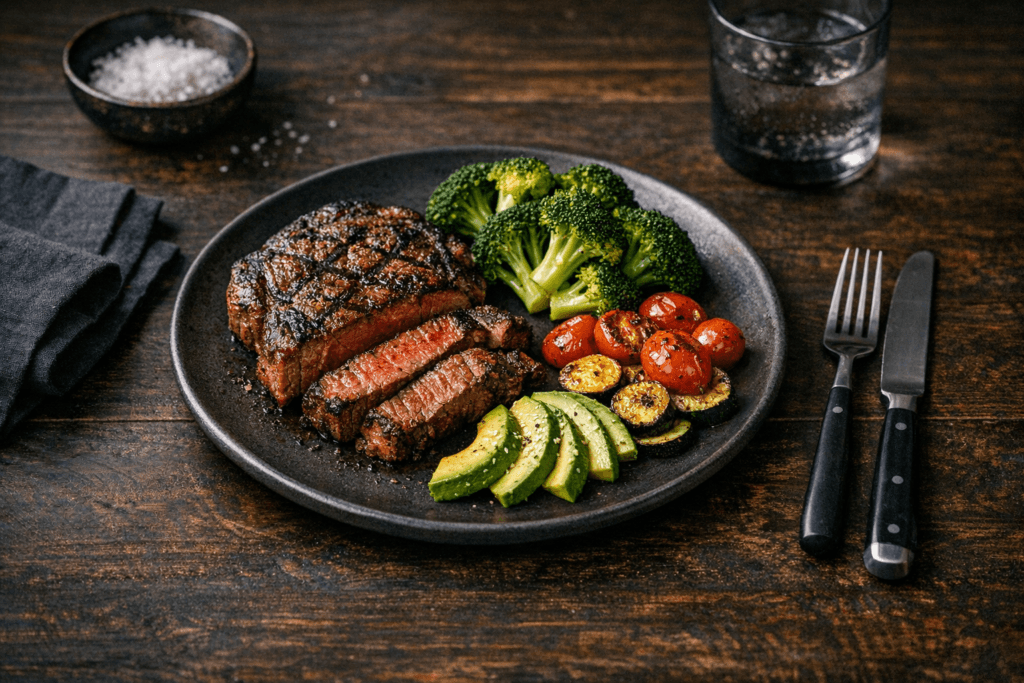
Examples (pick one):
- 1 cup cooked white rice or jasmine rice
- 1 to 2 medium potatoes (baked or boiled)
- 1 cup cooked oats if you do a breakfast for dinner thing
- sourdough bread slice or two
- fruit plus a little honey if you tolerate it
If you’re worried about fat loss, here’s the blunt reality.
If adding 30 to 60g carbs at dinner improves sleep, you often end up:
- hungrier less the next day
- training better
- recovering better
- making better decisions
That is usually a net win for body composition.
Sleep is a fat loss tool. Not a luxury.
Fix #2: Make dinner earlier, even by 45 minutes
You don’t need a perfect schedule. Just stop eating the biggest meal of the day right before bed. As suggested in this Facebook post, finishing dinner 2 to 3 hours before sleep can significantly improve your mental health.
Targets that tend to work for real life:
- finish dinner 2 to 3 hours before sleep
- if you train late, keep dinner lighter and do a small post-dinner snack instead
Fix #3: Swap the giant salad for cooked veg (and reduce volume)
Cooked vegetables are often easier at night. If you’re unsure how to manage cooking fresh meals every night, this Reddit thread has some helpful tips.
Try:
- zucchini, carrots, mushrooms, spinach cooked down
- roasted squash
- sautéed greens
- soups
And keep the portion reasonable. Dinner doesn’t have to be a trough of roughage.
Ready to Start Rebuilding Your Strength and Energy?
Take the first step toward feeling stronger, sharper, and more in control without the overwhelm or guesswork.
Fix #4: Choose protein that digests easier for you
Some guys do better with:
- salmon
- eggs (whole eggs, not only whites)
- Greek yogurt or cottage cheese (if tolerated)
- ground meat vs very lean breast meat
Also, don’t be afraid of some fat at dinner. A bit of fat slows digestion in a way that can help stabilize blood sugar for some men. Not a greasy meal. Just not “zero fat.”
Fix #5: If you wake at 2 a.m. hungry, test a small pre-bed snack
This one is weirdly effective for the 2 a.m. wake crew.
Pick something boring:
- Greek yogurt + berries
- cottage cheese + honey
- banana + a little nut butter
- small bowl of cereal with milk (yes, really, for some men it works)
The goal is not calories for fun. It’s stable overnight glucose and a calmer nervous system.
If you want to be systematic, run it like an experiment:
- 7 nights no snack
- 7 nights snack
- compare wake ups and morning energy
What about intermittent fasting and low carb diets?
You can still do them, but you may need to stop being dogmatic.
A lot of men over 40 do IF and low carb to control weight, and it works… until sleep starts to crack. Then training suffers. Then cortisol rises. Then cravings spike. Then it turns into a cycle.
Sometimes the best “fat loss” move is to stop forcing your body into a nightly stress response.
If you want a simple rule that doesn’t require a spreadsheet:
- If your sleep is great, keep your approach.
- If you’re waking nightly, adjust dinner first before you start buying supplements.
A sample dinner that helps sleep (and still supports leanness)
Here are a few combinations that tend to work well for men 40+:
Option A
- salmon
- cooked rice
- cooked spinach or zucchini](https://www.globallymealliance.org/blog/the-lyme-diet)
Option B
- ground turkey bowl: turkey + potatoes + sautéed peppers/onions
- side of fruit
Option C
- eggs + sourdough
- small serving of cooked veg
- Greek yogurt later if needed
Not glamorous. It’s fine. You’re not trying to impress anyone at 9 p.m.
You’re trying to get deep sleep so your hormones and recovery can do their job.
A quick note on supplements (because someone will ask)
Supplements can help, but they should be second line.
If dinner timing and composition are the real issue, magnesium won’t fix the problem by itself. Neither will melatonin.
That said, many men over 40 do well with magnesium glycinate, and some benefit from glycine. But I’d rather you fix the dinner that’s triggering the wake ups first.
If you want a structured way to dial this in without guessing, that’s basically why Revivo40 exists. The whole point is a clean, repeatable system across strength, sleep, hormones, and metabolism. Not random hacks.
For more insights on energy management and effective strategies for men over 40, check out our article on why men over 40 lose energy and the 5 fixes that actually work. Additionally, we provide 3 energy tips for men over 40 which might be beneficial as well.
What to do tonight (simple 3 step reset)
If you’re reading this and thinking “this is literally my dinner,” do this for the next 3 nights:
- Move dinner earlier by 60 minutes if you can.
- Add one carb portion (rice or potato is the easiest start).
- Replace the big raw salad with cooked veg.
Then watch what happens.
If you sleep through the night, you don’t need more complexity. You just needed a dinner that matches your biology now.
If you want the next step after that, head to Revivo40 and start with the “Start Here” pathway, or grab an entry guide like the 7 Day Energy Reset. It’s built for this exact midlife reality. Practical routines, no gimmicks, and the stuff that actually moves the needle.
The bottom line
The “healthy” dinner that wrecks sleep after 40 is usually:
lean protein + huge salad/veg + low or zero carbs + eaten late.
It’s not that those foods are bad.
It’s that the combo, at the wrong time, can trigger overnight blood sugar drops, stress hormones, and restless digestion.
Eat like a grown man who wants to perform tomorrow.
Not like you’re trying to win a discipline contest at 9 p.m.
Ready to Start Rebuilding Your Strength and Energy?
Take the first step toward feeling stronger, sharper, and more in control without the overwhelm or guesswork.
FAQs (Frequently Asked Questions)
Why does a ‘clean’ high-protein, low-carb dinner disrupt sleep for men over 40?
For many men over 40, a dinner consisting of lean protein, lots of vegetables, and little to no carbs—especially eaten late—can cause blood sugar drops during the night. This triggers cortisol and adrenaline release to stabilize glucose, leading to wake-ups around 2 to 4 a.m. Additionally, the metabolic demand of digesting large amounts of lean protein and fiber-heavy veggies can cause discomfort and subtle awakenings, disrupting deep sleep.
How does aging after 40 affect sensitivity to diet and sleep quality?
After 40, insulin sensitivity decreases, stress levels and baseline cortisol tend to rise, recovery slows down, and gut tolerance changes—especially for large fiber loads at night. Hormones like testosterone and growth hormone become more dependent on deep sleep. These shifts make men more sensitive to late meals that are low in carbs but high in protein and fiber, which can negatively impact sleep quality.
What role do carbohydrates play in supporting better sleep at night?
Carbohydrates help stabilize blood glucose through the night and support serotonin and melatonin production indirectly by facilitating tryptophan transport. Eating a reasonable amount of carbs at dinner can reduce nighttime stress hormone spikes like cortisol, helping maintain restful sleep and preventing early awakenings caused by blood sugar dips.
Why might eating a large salad or cruciferous vegetables at dinner cause sleep disturbances?
Consuming a mountain of raw vegetables or cruciferous veggies like broccoli and Brussels sprouts late in the evening can lead to bloating, gas, gut discomfort, reflux when lying down, and micro-awakenings during the night. These digestive issues subtly disrupt sleep even if you don’t fully remember waking up.
Is eating a big serving of lean protein late at night beneficial or harmful for sleep?
While protein is essential—especially after 40—a large serving of very lean protein late at night with minimal carbs can be metabolically demanding due to digestion’s thermic effect. It may cause a subtle ‘wired’ feeling or stimulate your metabolism when you want to wind down, potentially interfering with deep, calm sleep.
What lifestyle adjustments can men over 40 make to improve sleep while maintaining healthy eating habits?
Men over 40 should consider balancing their dinners by including moderate carbs alongside lean protein and vegetables earlier in the evening rather than late. Prioritizing consistent routines focused on quality sleep and recovery is vital. Managing stress levels and avoiding excessive fiber or heavy meals close to bedtime also support better hormonal balance and longevity.
About Terry
Founder of Revivo40

Terry is the founder of Revivo40, a performance brand built for men who want their strength, energy, and confidence back. After hitting his own wall in his 40s, he spent years rebuilding his health through strength training, hormone literacy, and simple, sustainable routines.
Today, he blends real‑world experience with evidence‑informed guidance to help men cut through the noise, take back control of their bodies, and step into their second peak with clarity and confidence. His mission is simple: help men over 40 reclaim their edge and build a stronger, sharper, more energized second half of life.
If you’re ready to rebuild your strength and energy, join the Revivo40 Newsletter for weekly, no‑BS guidance built for men over 40.