You’re training “like you used to,” but your body isn’t playing along. Recovery drags. Belly fat shows up faster. Sleep gets lighter. Motivation dips for no clear reason.
This is exactly why testosterone boosting foods for men over 40 matter. Not because food is magic, but because after 40, small inputs stack up fast. Stress, sleep debt, and a more sluggish metabolism can all push you in the wrong direction.
Below you’ll get 17 foods that support testosterone production and performance, what each one does (zinc, vitamin D, healthy fats, magnesium, selenium), simple portions, and a plug-and-play 1-day framework you can actually repeat. By the end, you’ll know exactly which foods to prioritize and how to use them daily.
Why This Matters for Men Over 40
Testosterone doesn’t usually “crash” overnight. For most men, it declines gradually with age, and the effects show up in ways that feel practical and annoying: less drive, slower recovery, softer body composition, lower training output.
Here’s the kicker. After 40, your body is also more likely to shift toward more fat mass and less lean mass unless you train and eat with intent. That body composition shift can make low energy feel worse, even if your labs are only “borderline.” Large observational work like the European Male Ageing Study (EMAS) documents age-related changes in male hormones and how they track with health and function.
Then there’s modern life. Career pressure, family obligations, less time to train, and more screen time at night all push cortisol up and sleep quality down. High stress and poor sleep can compound hormonal issues quickly. Add insulin resistance risk into the mix and things can slide faster than most guys expect. Clinical endocrinology research consistently shows links between obesity/insulin resistance and lower testosterone.
But it’s not all doom and gloom. There are actionable steps you can take to reclaim your energy levels and overall well-being. For instance, adopting some energy tips could make a significant difference in your daily life.
You don’t need a miracle food. You need a repeatable system you can run on busy weekdays which is where Revivo40 comes into play with its wealth of resources tailored specifically for men over 40 looking to optimize their health and fitness journey.
What Actually Moves Testosterone (So You Don’t Waste Effort)
Let’s set expectations.
Food does not “replace TRT.” If you have clinically low testosterone with significant symptoms, you should involve a clinician. But food can support testosterone production, improve metabolic health, and reduce common blockers like deficiencies, inflammation, and excess body fat.
The Three Levers Food Influences
Micronutrients
Zinc, magnesium, selenium, and vitamin D all play roles in endocrine function. Zinc and vitamin D are especially common weak links. Deficiencies in either can undermine testosterone production. (NIH ODS Zinc; NIH ODS Vitamin D)
Fats and Cholesterol
Testosterone is a steroid hormone. Dietary fat patterns can influence the hormonal environment, so the type and amount of fat you eat matters.
Energy Balance and Protein
Chronic crash dieting, under-eating protein, and relying on ultra-processed foods all push testosterone in the wrong direction.
Quick clarity: Total testosterone is the overall amount in your blood. Free testosterone is the fraction not tightly bound to proteins — mainly SHBG (sex hormone-binding globulin) — and it is the portion more available to tissues.
The Biggest Diet Killers for Men 40+
These are unglamorous but well-supported:
- Ultra-processed foods as the dietary default
- Too little protein, especially at breakfast and lunch
- Too little healthy fat
- Too much alcohol
- Chronic caloric restriction combined with high stress — the “diet hard, sleep bad, train angry” pattern
Alcohol deserves a specific warning. Clinical reviews link heavier alcohol intake with impaired sleep and hormonal disruption. This matters because sleep is one of the strongest testosterone levers available to you.
Longevity and Hormonal Health
It’s important to note that our lifestyle choices significantly impact our hormonal health and longevity. By making conscious decisions about our diet, exercise, and stress management, we can create a healthier hormonal environment that supports optimal testosterone levels while also promoting overall longevity.
Ready to Start Rebuilding Your Strength and Energy?
Take the first step toward feeling stronger, sharper, and more in control without the overwhelm or guesswork.
The 17 Testosterone-Boosting Foods for Men Over 40 (and how to eat them)
As men age, particularly after 40, maintaining optimal hormone levels becomes increasingly important. This is where testosterone-boosting foods can play a significant role. Here are some of the top foods that can help support testosterone production:
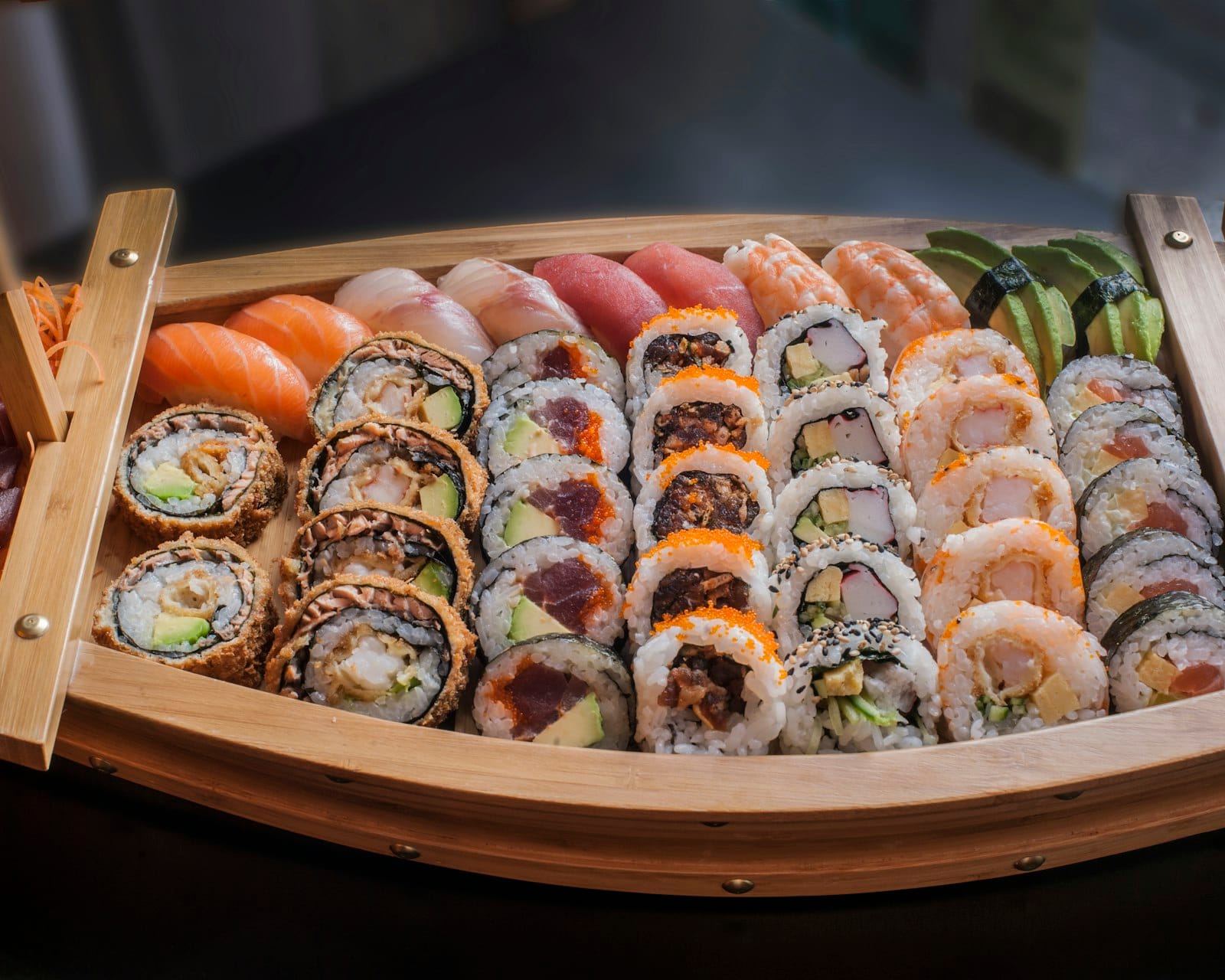
1) Oysters (and other shellfish)
Why it helps: Oysters are one of the highest-zinc foods on the planet. Zinc is required for normal testosterone production, and deficiency is associated with low testosterone. (NIH ODS Zinc)
How to use it: 2 to 4 oz, 1 to 2 times per week. Canned oysters count and are often the easiest option.
Real-world tip: Not a shellfish guy? Rotate crab or mussels, or cover zinc with a mix of lean beef and pumpkin seeds.
2) Lean beef (or bison)
Why it helps: Beef brings zinc, iron, and B vitamins. Practically, it also supports training performance and satiety, which helps you stay consistent when life is busy.
How to use it: 4 to 6 oz per serving, 2 to 4 times per week depending on calories and goals. Choose leaner cuts if you’re cutting.
Real-world tip: Build a “40+ lunch”: lean beef, rice or potatoes, and a big salad. Stable afternoon energy beats a 3pm crash every time.
3) Eggs (whole eggs)
Why it helps: Whole eggs provide cholesterol (a precursor for steroid hormones), plus choline and fat-soluble nutrients. This is support, not a guarantee of any “spike.”
How to use it: 2 to 4 whole eggs in a meal. Adjust based on your overall saturated fat intake and any medical guidance for lipids.
Real-world tip: When mornings are chaos, eggs are the fastest high-protein breakfast that still feels like real food.
4) Extra-virgin olive oil
Why it helps: Olive oil is rich in monounsaturated fats and supports cardiometabolic health. That matters because metabolic health and testosterone are tightly linked.
How to use it: 1 to 2 tbsp per day on salads, veggies, or finished meals. Avoid burning it at very high heat.
Real-world tip: Make a default dressing: olive oil + lemon + salt. Consistency is the win.
5) Avocados
Why it helps: Avocados combine monounsaturated fat with fiber and potassium, supporting steady energy and appetite control.
How to use it: Half to one avocado per day, especially with eggs or lean meat.
Real-world tip: Replace mayo-based spreads with avocado more often. Fewer ultra-processed calories without feeling like you’re “dieting.”
6) Fatty fish (salmon, sardines, mackerel)
Why it helps: Fatty fish delivers omega-3s and, in some cases, vitamin D. Omega-3s support inflammation control and recovery, which helps you train better and recover faster at 40+. Vitamin D is also a common deficiency and is important for endocrine function. (NIH ODS Vitamin D)
How to use it: 2 servings per week. Sardines are budget-friendly and shelf-stable.
Real-world tip: Post-workout dinner: salmon + potatoes + greens. Simple, high recovery value.
7) Fortified dairy or Greek yogurt (if tolerated)
Why it helps: Greek yogurt is high-protein, supports muscle maintenance, and may provide vitamin D if fortified. It also makes hitting protein targets easier without cooking. (check label for fortification)
How to use it: 1 to 2 cups per day. Choose higher-protein, lower-added-sugar options.
Real-world tip: Yogurt + berries + pumpkin seeds is a 2-minute snack that actually moves the needle.
8) Brazil nuts
Why it helps: Brazil nuts are the simplest selenium “insurance policy.” Selenium plays roles in thyroid and reproductive health, and deficiency is not your friend. (NIH ODS Selenium)
How to use it: 1 to 2 nuts per day. Do not “snack freely” on these. Too much selenium can backfire. (NIH ODS Selenium)
Real-world tip: Keep a small jar at your desk so you don’t end up at the vending machine at 4pm.
9) Pumpkin seeds
Why it helps: Pumpkin seeds provide zinc and magnesium, two nutrients tied to endocrine and performance support.
How to use it: 1 to 2 tbsp per day in yogurt, salads, or oatmeal. Go unsalted if blood pressure is a concern.
Real-world tip: Use them as the crunch replacement for croutons and chips.
10) Spinach (and leafy greens)
Why it helps: Spinach delivers magnesium and nitrates, supporting training performance and general health. Magnesium is one of those quiet “support nutrients” many men under-eat.
How to use it: Two big handfuls per day in salads, omelets, or smoothies.
Real-world tip: Frozen spinach is weekday-proof. No excuses, no spoilage.
11) Beans and lentils
Why it helps: Beans and lentils bring magnesium, fiber, and plant protein. The bigger win is metabolic: higher fiber intake supports insulin sensitivity, which matters because insulin resistance is linked with lower testosterone in research. (endocrinology literature)
How to use it: Half to one cup per day. If using canned beans, rinse them to reduce sodium.
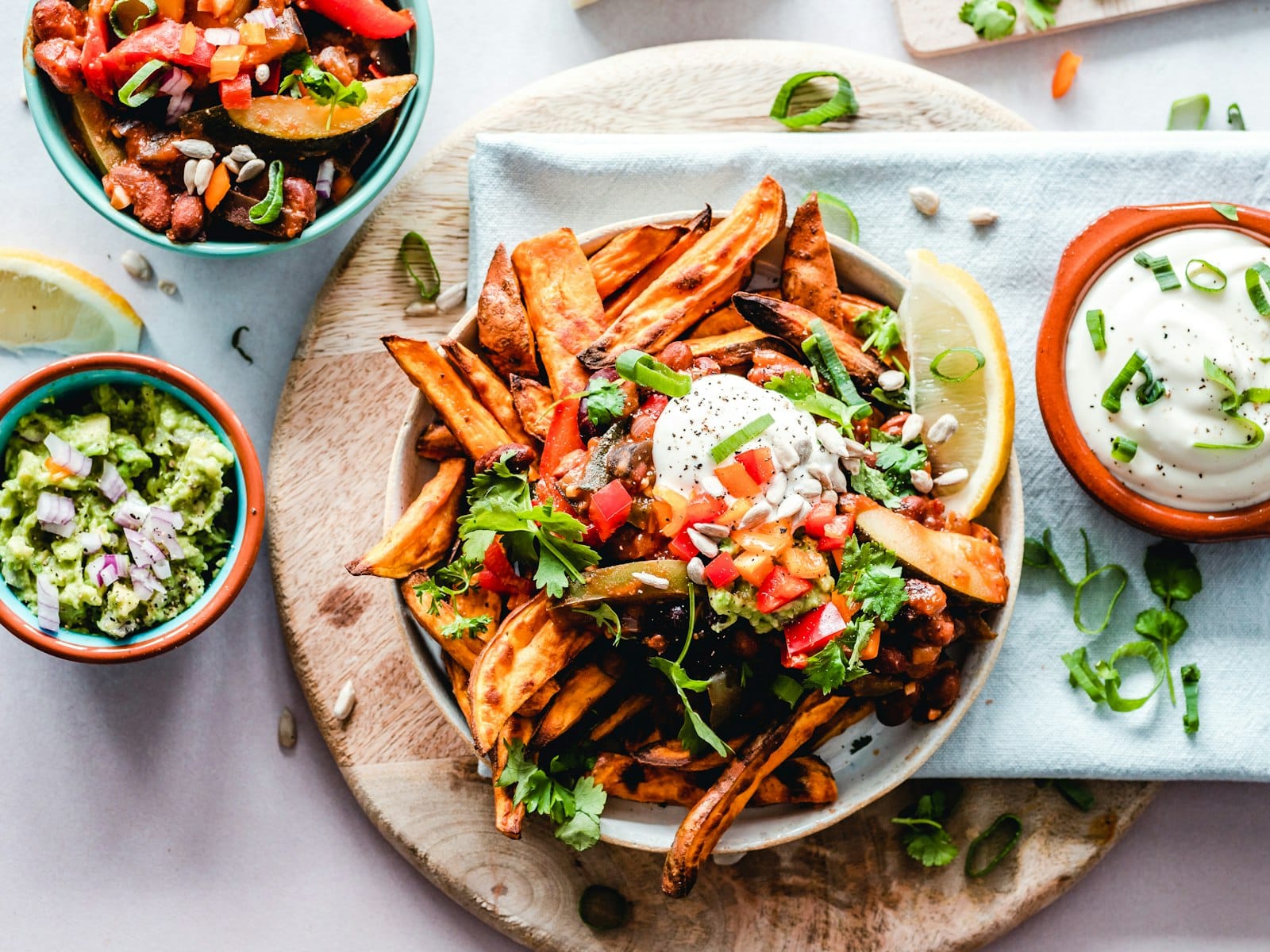
Real-world tip: Busy-night chili with beans plus lean meat is an easy, high-protein, high-fiber dinner.
12) Berries (blueberries, strawberries)
Why it helps: Berries provide fiber and polyphenols that support inflammation control and metabolic health. This is indirect support, but it matters.
How to use it: About 1 cup per day. Frozen is fine.
Real-world tip: Berries after dinner can replace dessert without feeling deprived.
13) Pomegranate
Why it helps: Pomegranate is antioxidant-rich and has been studied for cardiovascular markers. Better vascular function and recovery can support performance, which supports your training output.
How to use it: Pomegranate arils (seeds) on salads, or 4 to 8 oz juice occasionally. Watch added sugar in juice.
Real-world tip: Pomegranate seeds instantly upgrade a basic chicken salad.
14) Garlic
Why it helps: Garlic may support nitric oxide and cardiovascular health. Animal data and limited human research suggest potential endocrine support, but keep expectations realistic.
How to use it: 1 to 2 cloves per day in cooking. Aged garlic can be easier on digestion for some men.
Real-world tip: Garlic + olive oil as a base makes healthy meals taste worth repeating.
15) Ginger
Why it helps: Ginger is studied for anti-inflammatory and metabolic effects, and some human research suggests potential support for reproductive hormones. This is “may help,” not a promise.
How to use it: Fresh ginger tea, grated into stir-fries, or 1 to 2 tsp per day as a culinary habit.
Real-world tip: Ginger tea in the afternoon can replace the third coffee that wrecks your sleep.
16) Dark chocolate (high cacao)
Why it helps: Dark chocolate provides magnesium and polyphenols, which can contribute to better health outcomes. It can also improve adherence to dietary changes because you’re not trying to live like a monk.
How to use it: 10 to 20 g of 80 to 90% cacao a few times per week. Watch calories.
Real-world tip: Pair it with berries to shut down late-night snacking.
17) Coffee (strategically)
Why it helps: Coffee improves alertness and performance. It doesn’t “create testosterone,” but it can help you train harder and produce more daily output, which matters for 40+ results.
How to use it: 1 to 3 cups per day. Cut it off 8 to 10 hours before bed to protect sleep.
Real-world tip: If sleep is shaky, make your 2pm coffee decaf or switch to tea. Sleep and testosterone are closely linked in research, and short sleep is associated with lower testosterone the next day. (sleep-testosterone research)
Practical, Actionable Guidance: Your 40+ Testosterone Food Protocol
This is the structure that works when life is busy.
At each meal, hit:
- Protein anchor (meat, eggs, fish, Greek yogurt, beans plus meat)
- Healthy fat (olive oil, avocado, fatty fish, whole eggs)
- High-fiber carbs (beans, lentils, potatoes, fruit)
- Vegetables (spinach or a big salad is the easiest default)
Protein target (general training range): ~0.7 to 1.0 g per lb of goal body weight (or 1.6 to 2.2 g/kg). If you have kidney disease or other medical issues, this must be individualized with your clinician.
Simple add-ons that cover common gaps:
- Snack default: Greek yogurt + berries + 1 to 2 tbsp pumpkin seeds
- Selenium: 1 to 2 Brazil nuts daily
- Fish: fatty fish twice per week
- Zinc: oysters weekly or beef plus pumpkin seeds
This fits real life. School drop-off. Meetings. A 45-minute gym session three times per week. You’re not trying to be perfect. You’re trying to be consistent.
A simple 1-day example (built from the 17 foods)
Breakfast (after drop-off):
- 3 whole eggs + spinach cooked in olive oil
- Side of berries
- Coffee (cutoff: set it at least 8 to 10 hours before bed)
Lunch (between meetings):
- Lean beef bowl: beef + beans/lentils + greens
- Olive oil + lemon + salt dressing
Snack (2 minutes):
- Greek yogurt + pumpkin seeds + berries
- 1 to 2 Brazil nuts
Dinner (post-gym or family dinner):
- Salmon or sardines
- Potatoes or rice
- Salad with avocado + olive oil
- Optional: a square of high-cacao dark chocolate after
Myth-Busting: What Most Guys Get Wrong
Myth 1: “One superfood will fix low T.”
Reality: it’s a pattern. It’s sleep. It’s strength training. It’s body fat control when needed.
Myth 2: “You need ultra-low-carb to get lean.”
Reality: many active men over 40 train better with smarter carbs, timed around training and kept high-fiber. Performance and recovery matter.
Myth 3: “More supplements = more testosterone.”
Reality: correcting deficiencies helps. Megadosing can backfire (selenium is a classic example). (NIH ODS Selenium)
Myth 4: “Alcohol doesn’t matter if calories are controlled.”
Reality: alcohol can impair sleep and recovery, two major testosterone levers. Even when calories look “fine,” output and motivation often aren’t.
What to Expect (Real-World Results)
If you run this like a system, here’s what most men notice:
- 7 to 14 days: steadier energy, fewer cravings, better afternoons if you fix protein and cut ultra-processed foods.
- 3 to 6 weeks: better training performance and recovery, less “beat up” after workouts.
- 8 to 12 weeks: visible body composition changes if consistency holds and calories are appropriate.
What you may notice first: better morning drive, improved gym numbers, fewer cravings at night, deeper sleep if caffeine and alcohol are handled.
Typical results are small but meaningful. Exceptional results happen when this food strategy is paired with progressive strength training, solid sleep, and fat loss if needed.
Track what matters:
- Waist measurement
- Sleep hours and quality
- Training log (weights, reps, recovery)
- Libido and mood notes
If symptoms persist or are significant, consider labs and a clinician consult.
Safety / Contraindications (Read This)
Talk to a clinician if:
- Symptoms are severe (ED, depression, extreme fatigue)
- You have a history of endocrine issues
- You’re considering TRT
Be smart with medication contexts:
- Blood thinners: keep vitamin K intake consistent if advised (leafy greens can matter depending on your medication plan)
- Diabetes meds: diet changes can shift glucose quickly
- Heart disease/statins: coordinate diet changes with your doctor
Caffeine caution:
- Anxiety, arrhythmias, reflux, and sleep issues are common reasons to reduce dose and tighten cutoff times.
Kidney disease:
Fish safety:
- Favor salmon and sardines more often and limit higher-mercury fish (like big tuna species) if you eat fish frequently.
Key Takeaway: The Bottom Line
Do these five things and you’ll be ahead of 90% of men over 40:
- Hit zinc foods weekly (oysters, lean beef, pumpkin seeds).
- Eat fatty fish twice per week (salmon, sardines, mackerel).
- Keep protein consistent daily (especially breakfast and lunch).
- Protect sleep like it’s training (coffee cutoff, limit alcohol).
- Make ultra-processed foods the exception, not the base of your diet.
Your Next Step (No Drama)
Start with the Hormone Optimization Checklist or
run the 7-Day Energy Reset and keep it simple.
Which 3 foods are you adding this week? And what’s your biggest obstacle right now: sleep, cravings, time, or consistency?
Sources (Evidence References)
- NIH Office of Dietary Supplements (ODS): Zinc Fact Sheet for Health Professionals
- NIH Office of Dietary Supplements (ODS): Vitamin D Fact Sheet for Health Professionals
- NIH Office of Dietary Supplements (ODS): Selenium Fact Sheet for Health Professionals
- European Male Ageing Study (EMAS), publications overview: EMAS Publications
- Obesity/insulin resistance and testosterone associations: commonly reported across clinical endocrinology literature (e.g., reviews in Clinical Endocrinology and related endocrine journals)
- Sleep and testosterone relationship: experimental and observational research links sleep restriction/poor sleep with reduced testosterone the following day and over time (sleep medicine and endocrinology literature)
- For additional insights on the role of supplements in health, you can explore this comprehensive guide on supplements.
Ready to Start Rebuilding Your Strength and Energy?
Take the first step toward feeling stronger, sharper, and more in control without the overwhelm or guesswork.
FAQs (Frequently Asked Questions)
Why is testosterone support important for men over 40?
Testosterone levels gradually decline with age, leading to practical issues like reduced drive, slower recovery, increased belly fat, and lower training output. After 40, the body tends to shift towards more fat mass and less lean mass unless men train and eat with intent. Supporting testosterone helps maintain energy, body composition, and overall well-being.
Can food alone boost testosterone levels effectively after 40?
While food cannot replace clinical treatments like TRT for significantly low testosterone, certain foods can support testosterone production by providing essential micronutrients (like zinc, vitamin D, magnesium, selenium), healthy fats, and adequate protein. These dietary inputs improve metabolic health and reduce blockers such as deficiencies, inflammation, and excess body fat.
What are the key nutrients that influence testosterone production?
Micronutrients such as zinc, magnesium, selenium, and vitamin D play crucial roles in endocrine function. Zinc and vitamin D deficiencies are especially common and can undermine testosterone production. Additionally, healthy fats are important since testosterone is a steroid hormone derived from cholesterol.
Which foods are recommended to help boost testosterone in men over 40?
Seventeen foods support testosterone production including oysters (high in zinc), shellfish like crab and mussels, lean beef, pumpkin seeds, eggs, salmon, spinach, berries, and olive oil. These provide essential nutrients such as zinc, vitamin D, healthy fats, magnesium, and selenium necessary for hormone balance.
What dietary habits should men over 40 avoid to maintain healthy testosterone levels?
Men over 40 should avoid ultra-processed foods as a dietary default; consuming too little protein especially at breakfast and lunch; insufficient healthy fats; excessive alcohol intake; and chronic caloric restriction combined with high stress. These factors negatively impact sleep quality and hormonal health.
How do lifestyle factors like sleep and stress affect testosterone after 40?
High stress levels increase cortisol which can suppress testosterone production. Poor sleep quality also strongly reduces testosterone levels. Modern life pressures such as career demands and family obligations contribute to elevated stress and poor sleep patterns that compound hormonal imbalances quickly.
About Terry
Founder of Revivo40

Terry is the founder of Revivo40, a performance brand built for men who want their strength, energy, and confidence back. After hitting his own wall in his 40s, he spent years rebuilding his health through strength training, hormone literacy, and simple, sustainable routines.
Today, he blends real‑world experience with evidence‑informed guidance to help men cut through the noise, take back control of their bodies, and step into their second peak with clarity and confidence. His mission is simple: help men over 40 reclaim their edge and build a stronger, sharper, more energized second half of life.
If you’re ready to rebuild your strength and energy, join the Revivo40 Newsletter for weekly, no‑BS guidance built for men over 40.