You’re not 25 anymore, but your strength potential is not gone.
If you trained in your 20s, you probably remember creatine as that one supplement everybody had opinions about.
“It’s just water weight.” “It’s basically steroids.” “It’ll wreck your kidneys.”
Fast forward to 40 plus. The conversation gets quieter. Not because creatine stopped working. But because a lot of men stop lifting seriously, sleep gets choppy, work stress climbs, and the goal shifts from getting bigger to simply feeling strong again. Waking up with energy. Not losing muscle every year. Having a body that still responds when you ask something of it.
Creatine still fits that mission. But yes, a few things do change after 40, mostly around context. Your training age, recovery, hydration, and how you actually use it.
Let’s walk through what stays true, what’s different, and how to use creatine in a way that matches the Revivo40 mindset: clarity, strength, consistency, integrity. No gimmicks.
First, what is Creatine?
Creatine is a compound your body already makes (from amino acids) that you also get some from food, mostly red meat and fish.

It’s stored mainly in your muscles as phosphocreatine. That stored creatine helps you regenerate ATP, which is basically your short burst energy system. Think heavy sets. Sprints. Hard efforts. The stuff that makes muscle and strength stick around.
Creatine monohydrate is the form with the most research behind it. Also usually the cheapest. That’s not an accident.
What it tends to do, in plain terms:
- Helps you get 1 to 2 more reps, or keep reps stronger across sets
- Helps you train with slightly more total volume over time
- Pulls a bit more water into muscle cells (not under the skin, inside the muscle)
- Often supports better muscle retention and growth when you actually train
- In many people, also shows benefits for cognition, especially under stress or sleep loss
We’ll get to the brain part later because after 40, that one gets interesting.
However, it’s important to note that many men experience energy loss after turning 40 which can impact their fitness journey. This loss of energy can be addressed with certain strategies which we will explore further along this discussion.
Moreover, maintaining longevity in fitness and overall health becomes crucial after reaching this age milestone. It’s essential to understand how our bodies change over time so we can adapt our strategies accordingly.
For instance, recent studies have shown that incorporating certain supplements like creatine can significantly enhance longevity by improving muscle retention and cognitive function even in our later years.
Why This Matters for Men 40+
Creatine supplementation is especially important for men over 40 because it may benefit both physical and mental health.

As we get older, we naturally lose muscle mass, which leads to a decrease in strength and overall fitness. By helping you push through those extra reps and slightly increasing total training volume, creatine can help maintain muscle mass and strength, leading to better physical performance.
Additionally, the cognitive benefits of creatine are worth mentioning. As mentioned earlier, it has been shown to improve thinking skills, especially in stressful situations or when lacking sleep. This can be especially helpful for men in their 40s and older, who may have more responsibilities and stress that could affect their mental abilities.
While energy loss and changes in the body are common with age, strategies such as creatine supplementation can play a significant role in mitigating these effects and supporting a healthier, more fulfilling fitness journey for men over 40.
Ready to Start Rebuilding Your Strength and Energy?
Take the first step toward feeling stronger, sharper, and more in control without the overwhelm or guesswork.
The Difference Between Creatine Saturation and Daily Maintenance
Creatine saturation refers to the point at which your muscle stores are fully loaded with phosphocreatine, typically achieved after 5–7 days of loading doses (around 20 grams/day). At saturation, muscles have maximal phosphocreatine available to rapidly regenerate ATP during high-intensity efforts. After saturation, the goal shifts to daily maintenance, which involves taking a lower dose (usually 3–5 grams/day) to keep these stores topped off, compensating for natural creatine turnover and excretion. Without maintenance dosing, muscle creatine levels gradually decline back to baseline over weeks.
The Role of Phosphocreatine in ATP Regeneration
Phosphocreatine acts as a rapid phosphate donor in muscle cells. When ATP (adenosine triphosphate) breaks down into ADP (adenosine diphosphate) during intense activity, phosphocreatine donates its phosphate group to ADP, regenerating ATP almost instantaneously. This resynthesis sustains short bursts of maximal effort lasting up to about 10 seconds—such as heavy lifting or sprinting—allowing repeated high-intensity contractions before aerobic metabolism predominates.
How Aging Affects Muscle Creatine Transporters
As we age, the expression and function of creatine transporter proteins (primarily CRT1/SLC6A8) in muscle membranes tend to decline. This reduces the efficiency with which muscles uptake creatine from the bloodstream. Coupled with lower dietary intake and reduced muscle mass (sarcopenia), this diminished transport capacity can lead to decreased baseline muscle creatine stores in men over 40, making supplementation particularly beneficial to restore intracellular phosphocreatine levels.
The Connection Between Creatine and Mitochondrial Efficiency
Creatine supports mitochondrial function by buffering cellular energy demands. Through the phosphocreatine system, it helps maintain ATP availability during fluctuating energy needs, reducing mitochondrial stress. Recent research suggests creatine may enhance mitochondrial biogenesis and efficiency by stabilizing cellular energy homeostasis and reducing reactive oxygen species production, which tends to increase with age. This improved mitochondrial performance contributes not only to muscular endurance but also cognitive energy metabolism, especially relevant for men over 40 facing age-related declines.
These precise explanations align with Revivo40’s focus on clear, accurate physiology without unnecessary jargon – helping men aged 40+ understand why creatine remains a foundational supplement for strength and cognitive vitality.
What does NOT change after 40

1) Creatine still works. Age doesn’t cancel basic physiology.
If you can still do hard work, you can still benefit from having more phosphocreatine available. The mechanism is the same.
In studies, older adults supplementing creatine and doing resistance training often see improvements in:
- strength
- lean mass
- functional performance (getting up, climbing stairs, power output)
You don’t need to be a competitive lifter. You just need to be consistent.
2) Creatine is still one of the safest, most studied supplements
Creatine monohydrate has decades of research behind it. In healthy people, normal dosing does not “damage kidneys.” What it can do is raise creatinine on a blood test, because creatinine is a breakdown product related to creatine. That’s not the same thing as kidney damage. It just sometimes triggers confusion on lab work.
If you have known kidney disease, that’s a different conversation. Talk to your clinician. But for the average healthy man over 40, creatine is usually in the “boring but effective” category.
3) You still don’t need a fancy version
Creatine HCL, buffered creatine, liquid creatine, nano creatine. The marketing gets loud. The data stays the same.
Supplement companies often promote these variations as superior alternatives to standard creatine monohydrate. Here’s a quick breakdown:
- Creatine HCL (Hydrochloride): Claimed to dissolve better and cause less bloating, but research shows no significant advantage in absorption or effectiveness compared to monohydrate.
- Buffered Creatine: Marketed as gentler on the stomach due to pH buffering; however, clinical evidence supporting better performance or fewer side effects is limited.
- Liquid Creatine: Although convenient, creatine in liquid form tends to degrade quickly, reducing potency unless stabilized properly. Stability remains a challenge.
- Nano Creatine: Promoted for smaller particle size and faster absorption, yet scientific studies have not demonstrated meaningful improvements over traditional forms.
In essence, despite flashy labels and clever packaging, no alternative has consistently outperformed creatine monohydrate in well-controlled studies. The bottom line: monohydrate remains the gold standard for safety, efficacy, and cost-effectiveness.
Stick with what works. Creatine monohydrate is the simplest option and delivers the best results without unnecessary expense or hype.
What DOES change after 40 (the real-life stuff)

1) Your baseline creatine stores might be lower than you think
This isn’t guaranteed, but it’s common.
A lot of men over 40:
- eat less red meat than they used to
- diet more often (cutting calories for fat loss)
- lose muscle mass gradually (sarcopenia creep)
- train less explosively
Lower muscle mass can mean lower total storage capacity. Diet patterns can mean lower intake. So the “response” to creatine sometimes looks bigger because you’re starting from a lower baseline.
In other words, you might actually notice it more now.
2) Recovery matters more, and creatine is not a recovery replacement
Creatine can help you perform more work. That’s great. But after 40, there’s a trap.
If creatine lets you push harder, but your sleep is 6 hours and your stress is constant, you can out-train your recovery fast. Creatine doesn’t fix that. It’s not a sleep supplement. It’s not a nervous system supplement.
This is where Revivo40’s whole system approach matters. Training, sleep, recovery habits. Creatine sits on top of that foundation, not instead of it.
Ready to Start Rebuilding Your Strength and Energy?
Take the first step toward feeling stronger, sharper, and more in control without the overwhelm or guesswork.
3) The “weight gain” conversation is different at 45 than at 25
At 25, gaining 3 to 5 pounds fast was kind of fun. At 45, with a softer midsection and a tighter waistline tolerance, it can mess with your head.
Creatine commonly increases body weight a bit in the beginning. Mostly because muscle cells hold more water when creatine stores rise.
That is not fat gain. But the scale doesn’t care. And psychologically, a lot of men do.
If you’re trying to lose fat, creatine can still be useful. Just understand the scale might bump even while your waist improves. Track waist, strength, and how you look in the mirror. Not only bodyweight.
4) Brain benefits start to matter more
This is one of the more underrated “after 40” shifts.
There’s growing research suggesting creatine may support aspects of cognitive performance, especially:
- under sleep deprivation
- during high mental demand
- possibly with aging-related cognitive decline (still evolving, but promising)
Is creatine a magic brain pill. No. But if you’re a 47-year-old man juggling work, family, training, and not always sleeping like a monk, a supplement that might support both muscle and mental output is worth attention.
Creatine and testosterone after 40 (let’s be careful here)
It’s important to clarify that creatine is not a testosterone replacement. It does not directly “boost T” in any reliable, clinically meaningful way.
However, there’s a practical chain reaction that matters:
- creatine can help you train harder
- better training consistency can improve body composition
- improved body composition and strength training often correlate with healthier hormone profiles
- you feel better, which improves adherence, sleep, confidence, all the stuff that indirectly supports hormonal health
So if you’re on Revivo40 because you care about strength and hormones, creatine is not a hormone hack. It’s a performance tool that makes the basics easier to execute.
That’s it. Still valuable.
Do you need to “load” creatine after 40?
Loading means taking something like 20 grams per day (split doses) for 5 to 7 days, then dropping to a maintenance dose.
You do not need to load. It just saturates muscles faster.
Two simple options:
- No loading: 3 to 5 grams daily. Saturation in about 3 to 4 weeks.
- Loading: 20 grams daily for 5 to 7 days (split into 4 doses), then 3 to 5 grams daily.
For most men over 40, I prefer no loading. Less stomach risk. Easier compliance. Consistency wins.
Best dose for men over 40
Most evidence lands in this zone:
- 3 to 5 grams per day for most men
- If you’re larger (200+ lbs / 90+ kg) or very muscular, 5 grams daily is a clean default
Take it every day. Training day or rest day. Creatine works by saturation, not by “timing” a pre-workout hit.
Incorporating these energy tips could further enhance your results with creatine supplementation after 40. Additionally, understanding the relationship between hormones and body composition can provide valuable insights into optimizing your health and fitness journey.
When to take it (timing matters less than you want it to)
Take it whenever you will actually remember.
Some people like it:
- with breakfast
- in a post-workout shake
- with dinner
There is some evidence that taking creatine near training might slightly improve uptake, especially with carbs and protein. But if the choice is “perfect timing” vs “I forget half the week,” pick consistency.
The hydration issue (real talk)

Creatine increases water stored in muscle cells. That’s part of why it works.
So yes, hydration matters more if you’re taking it, and especially if:
- you sweat a lot
- you train hard
- you drink alcohol regularly
- you run low-carb often (glycogen and water shift)
You don’t need to drown yourself. But you do need to stop living on coffee and vibes.
A simple baseline:
- drink water consistently through the day
- consider electrolytes if you sweat a lot or cramp easily
Side effects and what to do about them
Bloating or stomach issues
Usually from:
- taking too much at once
- loading protocols
- poor mix (dry scooping, not enough water)
Fix:
- take 3 to 5 grams only
- mix fully in water
- take with a meal
Cramps
The data is mixed. A lot of cramps are actually dehydration, low electrolytes, or ramping training too fast.
Fix:
- hydrate
- add electrolytes
- progress training gradually
Hair loss
This one gets repeated because of an old study involving DHT changes, but there’s no strong evidence that creatine causes hair loss in a clear, repeatable way.
If you’re genetically prone to male pattern baldness, you’ll probably lose hair because of genetics. Not because of 5 grams of creatine. Still, if you notice shedding and you’re worried, stop for a month and see what happens. No shame in running your own n equals 1.
Creatine if you’re cutting weight (and you’re 40 plus)
This is where guys get stuck. They want fat loss, but they also want strength.
Creatine can help you hold training performance while calories are lower. That’s a big deal after 40 because losing strength often means losing muscle, and losing muscle makes long-term maintenance harder.
Just remember:
- scale weight might hold steady or climb a little early on
- waist size and strength numbers are better indicators
If you need structure here, this is exactly the kind of situation where Revivo40’s “no BS” approach helps. You want a plan that tracks performance and body composition, not just the scale. Start with the Strength Starter Blueprint or the 7-Day Energy Reset if your routine is currently chaotic and you need traction fast.
Creatine if you’re not lifting (should you still take it?)
If you are doing zero resistance training, creatine still may offer some benefits (including possible cognitive support), but you’re leaving the biggest upside on the table.
Creatine shines when paired with:
- progressive resistance training
- short burst efforts
- consistency over months
If you’re not lifting because your joints hurt, your back is cranky, or you feel deconditioned, don’t make creatine the first move.
Make movement the first move. Even two days a week. Then add creatine. That’s the pattern that actually changes your trajectory.
What to buy (simple checklist)
Look for:
- Creatine monohydrate
- third-party tested if possible
- plain, unflavored is fine
- micronized is fine (mixes easier)
Skip:
- proprietary blends
- “mass gainer creatine” combos with a ton of sugar unless you truly need the calories
- overpriced “designer creatine” forms
Practical, Actionable Guidance for Creatine Use After 40
Exact Daily Dosage:
Take 3 to 5 grams of creatine monohydrate daily. This amount effectively supports creatine saturation without the need for a loading phase.
Best Timing:
Creatine can be taken anytime during the day, but post-workout is ideal as muscles are primed to absorb nutrients and it fits easily into your routine.
What to Mix It With:
Mix your creatine powder with water, juice, or your post-workout shake. Avoid acidic beverages long-term if possible, but occasional use with juice is fine.
How Long to Reach Saturation:
Consistent daily intake will saturate muscle creatine stores in about 2 to 4 weeks. No loading phase is necessary, especially after 40 when maintaining steady levels is more important than rapid saturation.
What to Expect in the First 2–4 Weeks:
- Gradual improvements in strength and workout recovery.
- Possible slight increase in body weight (mostly water retention in muscles).
- Enhanced energy during high-intensity efforts due to improved ATP regeneration.
How to Track Progress:
- Strength: Monitor increases in weights lifted or number of reps at a given weight.
- Reps: Track if you can perform more repetitions at the same weight over time.
- Recovery: Note reduced muscle soreness or faster recovery between sessions.
- Weight: Track bodyweight weekly; small gains are expected and mostly beneficial muscle hydration.
Clear Next Step for Men 40+
Start taking 3–5g of creatine monohydrate daily, ideally post-workout mixed with water or your protein shake, and commit for at least 4 weeks. Monitor your strength gains, recovery times, and how you feel overall. Adjust timing based on convenience but keep consistency. This simple step supports muscular strength, recovery, and cognitive energy as you age, making it a foundational part of your Revivo40 regimen today.
A straightforward “Creatine After 40” protocol
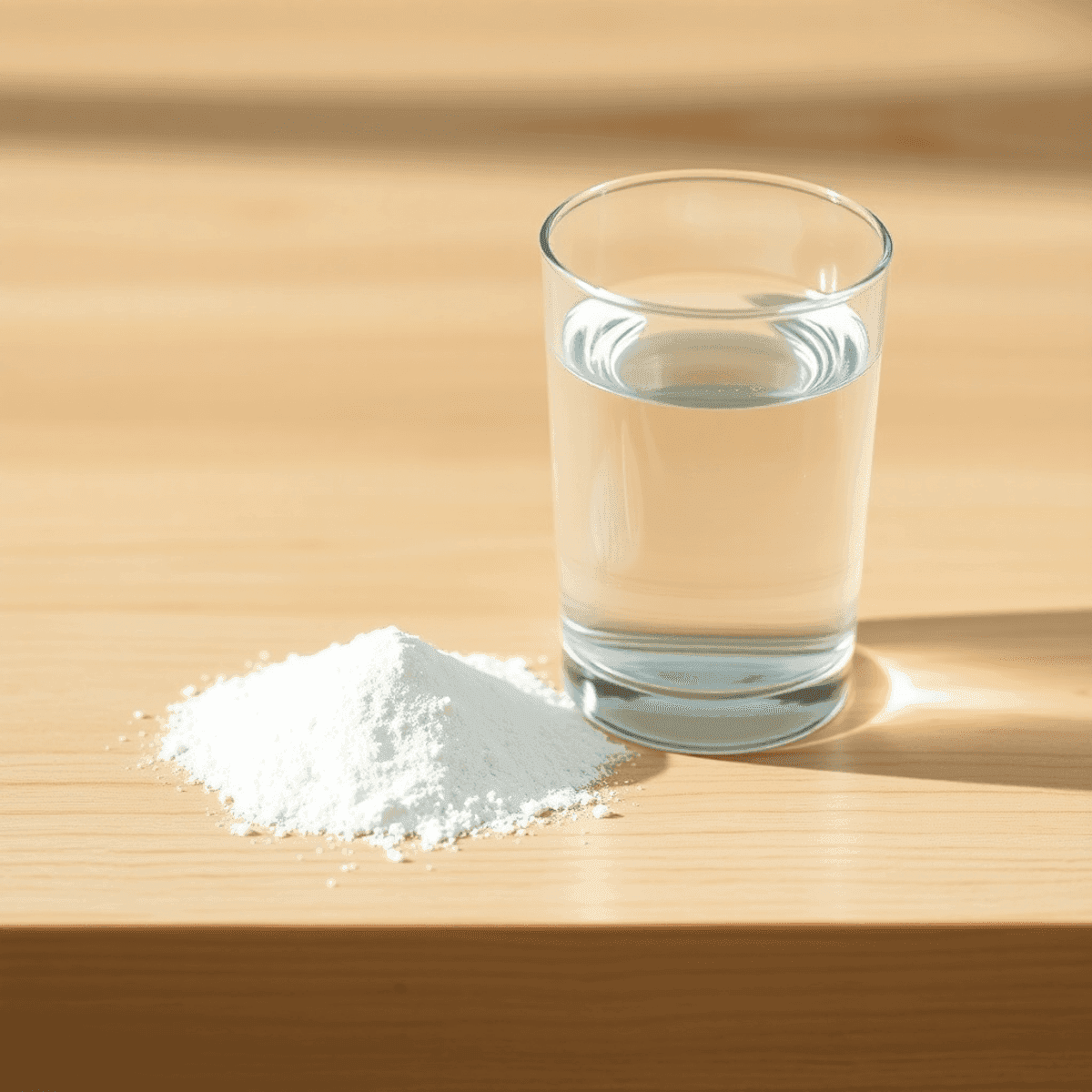
If you want the clean version you can follow without overthinking:
- Buy creatine monohydrate.
- Take 5 grams daily (or 3 grams if you’re smaller and sensitive).
- Drink water like an adult. Add electrolytes if you sweat a lot.
- Lift 2 to 4 days per week. Focus on progressive overload and clean form.
- Track strength and waist, not just scale weight.
- Reassess after 30 days.
That’s it.
Ready to Start Rebuilding Your Strength and Energy?
Take the first step toward feeling stronger, sharper, and more in control without the overwhelm or guesswork.
The bottom line
Creatine after 40 is not some special “older guy version” of creatine.
What changes is you. Your recovery ceiling. Your patience for fluff. Your tolerance for the scale messing with your head. Your need for mental energy to stay stable while life gets louder.
What doesn’t change is the core truth: creatine monohydrate is still one of the highest value, most proven supplements for strength and lean mass. And for a lot of men in midlife, it’s a quiet edge. The kind you feel over weeks. Not minutes.
If you want to stack this the right way, don’t just add creatine and hope. Pair it with a simple, repeatable training and recovery system that optimizes your exercise and athletic performance. That’s the whole point of Revivo40.
If you’re ready for the next step, head to Revivo40 and start with the “Start Here” pathway. Then build momentum. Consistency first. Everything else second.
FAQs (Frequently Asked Questions)
What is creatine and how does it work in the body?
Creatine is a compound naturally produced by your body from amino acids and obtained from foods like red meat and fish. It is stored mainly in muscles as phosphocreatine, which helps regenerate ATP – the primary energy source for short bursts of intense activity such as heavy lifting or sprints. This process supports muscle strength, endurance, and growth when combined with training.
Does creatine still work effectively for men over 40?
Yes, creatine remains effective after 40 because the underlying physiology doesn’t change with age. Older adults supplementing with creatine alongside resistance training often experience improvements in strength, lean muscle mass, and functional performance such as climbing stairs or power output. Consistency in training is key to benefiting from creatine at any age.
Is creatine safe for men over 40, especially concerning kidney health?
Creatine monohydrate is one of the most researched and safest supplements available. In healthy individuals, normal dosing does not cause kidney damage. However, creatine can raise creatinine levels on blood tests, which may be mistaken for kidney issues but are not harmful themselves. If you have pre-existing kidney disease, consult your healthcare provider before use.
Should men over 40 choose special forms of creatine like Creatine HCL or stick to creatine monohydrate?
Despite marketing claims about fancy versions like Creatine HCL or buffered creatine, research consistently supports creatine monohydrate as the most effective and affordable form. Men over 40 should stick to high-quality creatine monohydrate from reputable brands for best results without unnecessary gimmicks.
How do changes after 40 affect how men should use creatine?
Men over 40 might have lower baseline creatine stores due to factors like reduced red meat intake, dieting, muscle loss (sarcopenia), and less explosive training. This can make their response to supplementation more noticeable. However, recovery becomes more critical; creatine helps performance but does not replace proper sleep or stress management. Also, weight gain concerns may be more pronounced at this age, so monitoring body composition while supplementing is important.
Can creatine support cognitive function and energy levels in men over 40?
Yes, beyond muscle benefits, many people experience cognitive improvements with creatine supplementation, especially under stress or sleep deprivation common after 40. Creatine can help maintain mental clarity and energy levels as part of a holistic approach to fitness and health that includes good sleep, stress management, and consistent training aligned with the Revivo40 mindset.
About Terry
Founder of Revivo40

Terry is the founder of Revivo40, a performance brand built for men who want their strength, energy, and confidence back. After hitting his own wall in his 40s, he spent years rebuilding his health through strength training, hormone literacy, and simple, sustainable routines.
Today, he blends real‑world experience with evidence‑informed guidance to help men cut through the noise, take back control of their bodies, and step into their second peak with clarity and confidence. His mission is simple: help men over 40 reclaim their edge and build a stronger, sharper, more energized second half of life.
If you’re ready to rebuild your strength and energy, join the Revivo40 Newsletter for weekly, no‑BS guidance built for men over 40.