Belly fat after 40 is not just about willpower. Your hormones shift, your muscles quietly shrink, your stress load hits harder, and your body gets better at storing energy right where you do not want it. This is the science behind the stubborn midsection. However, there are practical, evidence-based ways to reverse it.
Key Takeaways
- After 40, insulin sensitivity tends to drop and visceral fat becomes easier to gain, harder to lose.
- A decline in testosterone, higher cortisol, and lower daily movement all push fat storage toward the belly.
- Losing belly fat is mainly about preserving muscle, improving insulin sensitivity, and lowering chronic stress signals.
- The best plan is boring on purpose: strength training, protein intake, steps count, sleep quality, and maintaining a tight calorie gap.
What You’ll Learn
- Why visceral fat increases with age even if your weight stays similar
- How testosterone, cortisol, and insulin interact with belly fat storage
- The difference between subcutaneous belly fat and visceral fat, and why it matters
- What actually works for men over 40: training, nutrition (including supplements), sleep, and stress control
- A simple, repeatable approach you can stick to without living in the gym
Feel Strong, Focused, and Energized Again
Start your journey with simple, science‑backed steps designed specifically for men over 40. No fluff. No gimmicks. Just results.
No pressure. Just clear, practical guidance to help you move forward.
The Biology: Why Your Body Starts Favoring Belly Fat After 40
Visceral vs subcutaneous fat. Same area, different problem
Most guys say “belly fat” and mean the whole situation. But there are two main types.
- Subcutaneous fat is the softer layer under the skin. You can grab it.
- Visceral fat sits deeper, around organs. You cannot pinch it easily. It is the one more tied to cardiometabolic risk.
Visceral fat tends to increase with age, especially when activity drops and muscle mass declines. It is also more metabolically active, meaning it releases inflammatory signals and free fatty acids into circulation more readily. That is one reason it is linked to higher triglycerides, fatty liver risk, and worse insulin sensitivity.
If you want a clean target: shrinking your waist is often a better health marker than obsessing over scale weight.
Insulin sensitivity declines. Your belly pays the price
After 40, many men become more insulin resistant. Not overnight. Quietly.
Insulin is the hormone that helps move glucose from your blood into muscle and liver cells. When your muscles are less active and you have less muscle mass overall, you have less “storage room” for glucose. So your body needs more insulin to do the same job.
Over time, higher insulin levels tend to promote fat storage and make fat loss feel like pushing a truck uphill.
A few drivers of this shift in men over 40:
- Less strength training and less daily movement
- More sitting and fewer steps
- Sleep debt and stress
- Higher visceral fat itself, which worsens insulin resistance in a loop
So it is not just calories. It is calories plus a body that is less forgiving with how it partitions energy.
Testosterone and muscle. The slow leak that changes everything
Testosterone typically declines gradually with age. This gradual decline is part of the broader development and aging of the endocrine system, which affects every man differently. Not every guy tanks. But the trend is real.
Here is why it matters for belly fat.
- Lower testosterone can mean less muscle protein synthesis and slower muscle gain.
- Less muscle means a lower daily energy burn and worse glucose handling.
- Testosterone also influences where fat is stored, with lower levels associated with more central fat accumulation.
This is why some men feel like they are “doing the same stuff” but slowly getting softer anyway. Their baseline is changing.
And this is a key point we repeat at Revivo40: the goal is not to chase vanity abs. It is to protect the engine, your muscle, strength, and metabolic health. The waistline follows.
The Real Culprits: Lifestyle Shifts That Make Fat Loss Harder
You move less than you think. NEAT drops with age
NEAT is “non exercise activity thermogenesis.” Steps, fidgeting, chores, walking between meetings, taking stairs. It can swing your calorie burn by hundreds per day.
After 40, NEAT often drops because of:
- more desk time
- more driving
- more responsibilities, less unstructured movement
- small aches that make you sit more
The brutal part is you do not notice. You still “work out” three days a week, but the other 165 hours got quieter.
If your belly fat feels stubborn, your step count is one of the first numbers to look at.
Stress and cortisol. Not magic, but definitely real
Cortisol is not the enemy. It is a survival hormone. But chronic elevation, especially paired with poor sleep, can push behavior and biology in the wrong direction.
Stress can:
- increase cravings for calorie dense food
- reduce impulse control and consistency
- worsen sleep quality
- raise glucose output from the liver, increasing insulin demand
There is also evidence linking chronic stress patterns with increased central fat storage, especially when stress also disrupts sleep and eating behavior. It is rarely just cortisol alone. It is cortisol plus the habits it drags in.
Sleep. The fat loss multiplier most guys ignore
Sleep is where your appetite regulation and recovery get repaired.
When sleep is short or poor:
- hunger tends to increase (ghrelin rises)
- fullness signals drop (leptin shifts)
- insulin sensitivity worsens
- training recovery suffers, which makes you train less or train worse
You can “diet harder” to fight this, sure. But it usually backfires. For men over 40, sleep is not optional if you want the waist to move.
The Science of Losing It: What Works Specifically After 40
Strength training is the anchor. Not cardio marathons
You do not lose belly fat by doing 1,000 crunches. You lose it by improving your whole metabolic setup while staying in a calorie deficit long enough.
Strength training matters because it:
- preserves or builds muscle while dieting
- improves insulin sensitivity
- raises resting energy expenditure over time
- signals your body to keep the “expensive tissue” instead of burning it off
A simple template that works for many men:
- 3 to 4 days per week
- focus on big patterns: squat or leg press, hinge, press, row, carry
- progressive overload, but joint friendly
- stop 1 to 2 reps shy of failure most sets
If you only do one thing, make it this. Cardio is useful, but strength is the anchor.
Protein and calories. Boring, yes. Effective, also yes
You still need a calorie deficit. There is no scientific workaround.
But for men over 40, the quality of that deficit matters. Crash dieting often strips muscle and makes rebound gain more likely.
Two practical targets:
- Protein: aim for roughly 0.7 to 1.0 grams per pound of goal body weight per day (adjust for your context).
- Calorie deficit: moderate, usually 300 to 500 calories per day below maintenance, sustained.
Protein helps with:
- satiety
- muscle retention
- thermic effect of food
Also, do not ignore fiber. A higher fiber intake is consistently linked to better weight outcomes, and it supports gut health, which indirectly supports appetite regulation.
Incorporating protein-rich foods into your diet can significantly aid in achieving your weight loss goals by enhancing muscle retention and promoting satiety.
Steps, zone 2, and short intervals: The cardio that actually fits real life
Cardio is not punishment. It is a tool for energy expenditure and heart health.
For men over 40, the sweet spot often looks like:
- Steps: 8,000 to 12,000 per day as a real world goal range
- Zone 2 cardio: 2 to 3 sessions per week, 25 to 45 minutes (brisk incline walk, bike, rower)
- Short intervals: 1 session per week if recovery allows (example: 6 to 10 rounds of 20 seconds hard, 100 seconds easy)
This combination tends to improve mitochondrial function, cardiovascular fitness, and calorie burn without wrecking your joints or recovery.
If you are already lifting, start with steps first. Steps are the easiest lever to pull.

Expert Notes / Evidence Callouts
- Visceral fat is more strongly linked to cardiometabolic risk than subcutaneous fat. Waist circumference is a practical field measure that often tracks visceral fat changes better than scale weight alone.
- Age related muscle loss (sarcopenia) begins earlier than most men think and accelerates without resistance training. Preserving muscle is not a bodybuilding goal. It is a fat loss and longevity requirement.
- Sleep restriction consistently worsens appetite regulation and insulin sensitivity. If your sleep is 5 to 6 hours, expect cravings and plateaus, even with “perfect macros.”
To combat these issues and promote longevity, it’s essential to incorporate these fitness strategies into your routine.
Feel Strong, Focused, and Energized Again
Start your journey with simple, science‑backed steps designed specifically for men over 40. No fluff. No gimmicks. Just results.
No pressure. Just clear, practical guidance to help you move forward.
FAQ Section
Why did my belly grow even though my weight barely changed?
Because body composition can shift. You can lose muscle and gain fat while staying around the same weight. Less muscle means worse glucose handling and lower daily burn, which often shows up as more belly fat.
Can I target belly fat specifically?
Not directly. Spot reduction is mostly a myth. But you can preferentially reduce visceral fat through a calorie deficit, strength training, steps, and improved insulin sensitivity. The belly often responds later than the face and arms. Annoying, but normal.
Is testosterone replacement the answer?
Sometimes it is medically appropriate, sometimes it is not. If symptoms and labs support it, talk to a qualified clinician. But even with TRT, you still need training, nutrition, sleep, and stress management. Hormones are not a substitute for habits.
How long does it take to lose stubborn belly fat after 40?
Depends on starting point and consistency. Many men notice waist changes in 4 to 8 weeks, but the last stretch can take months. Visceral fat can drop relatively quickly, while subcutaneous belly fat may be slower.
Why do men over 40 lose energy and what are the fixes?
This is a common issue that many men face as they age. However, there are 5 effective fixes that can help regain that lost energy.
What are some energy tips for men over 40?
In addition to the fixes mentioned above, implementing some simple yet effective energy tips could greatly improve your vitality and overall health.
What is the fastest way to kickstart fat loss without wrecking myself?
Lift 3 to 4 days per week, hit protein daily, walk more, and tighten calories modestly. Add zone 2 cardio. Sleep 7 plus hours when you can. “Fast” comes from consistency, not extremes.
Should I cut carbs to lose belly fat?
You can, but you do not have to. Carbs are not the enemy. Total calories, protein, fiber, and training quality matter more. Some men do better with lower carb simply because it helps appetite control.
Bottom Line Summary
Belly fat after 40 gets stubborn because your physiology shifts: lower muscle, worse insulin sensitivity, more stress load, and a body that stores energy centrally. The fix is not a gimmick. It is muscle focused training, a controlled calorie deficit, high protein, more daily movement, and better sleep. If you want a simple roadmap, start with the Revivo40 “Start Here” path and build the basics until they are automatic.
About Terry
Founder of Revivo40
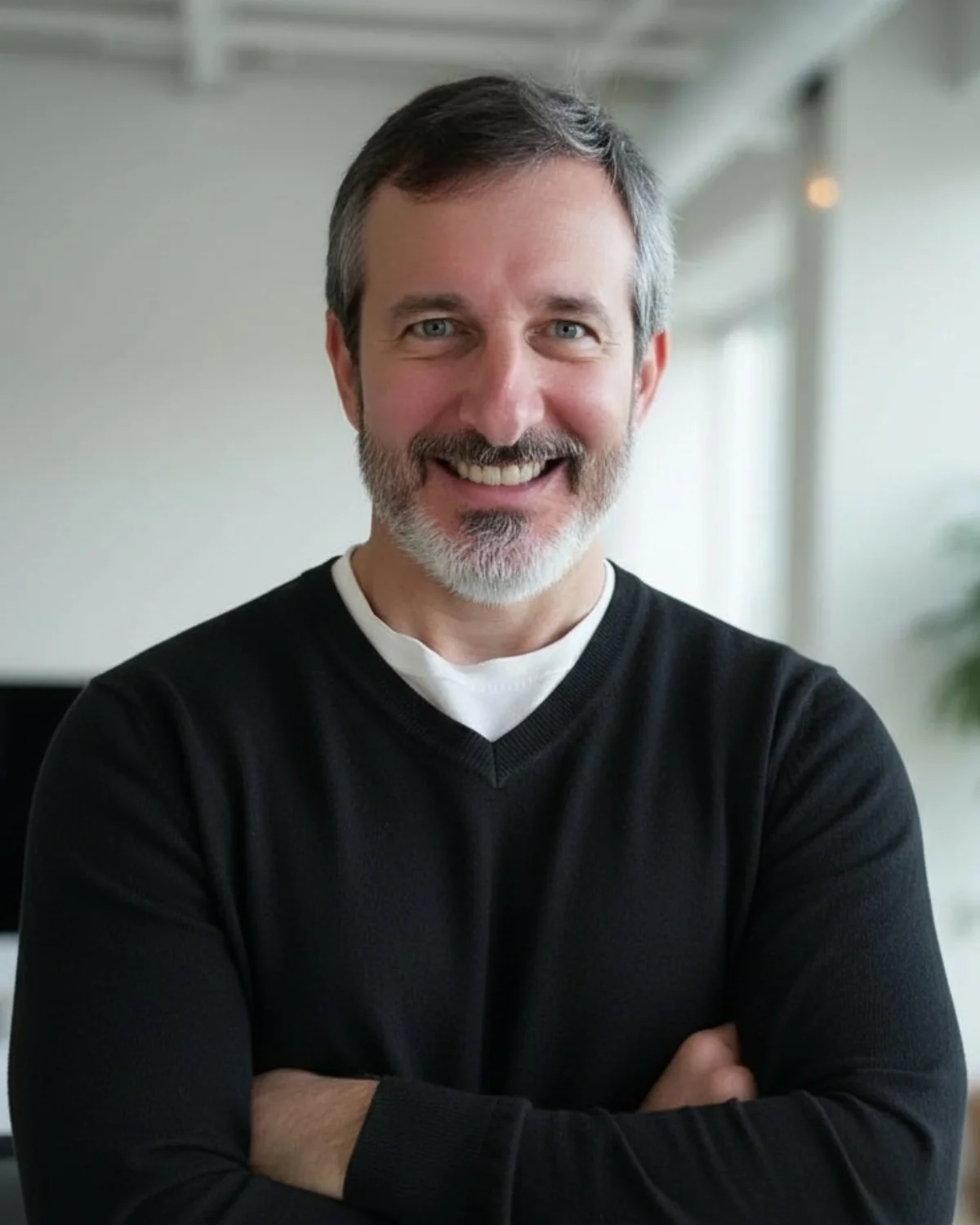
Terry is the founder of Revivo40, a performance brand built for men who want their strength, energy, and confidence back. After hitting his own wall in his 40s, he spent years rebuilding his health through strength training, hormone literacy, and simple, sustainable routines.
Today, he blends real‑world experience with evidence‑informed guidance to help men cut through the noise, take back control of their bodies, and step into their second peak with clarity and confidence. His mission is simple: help men over 40 reclaim their edge and build a stronger, sharper, more energized second half of life.
If you’re ready to rebuild your strength and energy, join the Revivo40 Newsletter for weekly, no‑BS guidance built for men over 40.